COFFEE
 TEA
TEA CAPPUCCINO AND HOT CHOCOLATE
 SWEETS
 SYRUPS
 TABLEWARE
 RELATED PRODUCTS
 GIFTS AND SOUVENIRS
Analogs of tea: national drinks that have received worldwide recognition
Medicinal properties - the most interesting point in the description of the so-called "ethnic teas": national drinks, brewed and consumed daily, like tea or coffee. Each climatic zone has its own useful herbs, shrubs, trees. We use the leaves of many plants as a medicinal decoction (tea): currants, raspberries, willow-herb, mint, lemon balm - the list goes on for a long time. In different parts of the world, people have found their own way to quench their thirst and strengthen their strength by brewing flowers, fruits, leaves. Anyone who is not yet familiar with their diversity and unique qualities should pay attention to exotic types of decoctions of herbal components.
First of all, you should try South American mate and rooibos from Africa. It is necessary to mention other ethnic drinks that are relatively new for Europeans, but remarkable in their qualities: honeyibush, lopacho, masala, catuaba. For lovers of tonic concoctions, who have already joined the traditions of their preparation, there are no secrets of how to brew the drink correctly and what is its benefit. These little tricks are available to everyone.
National drink from South America: mate
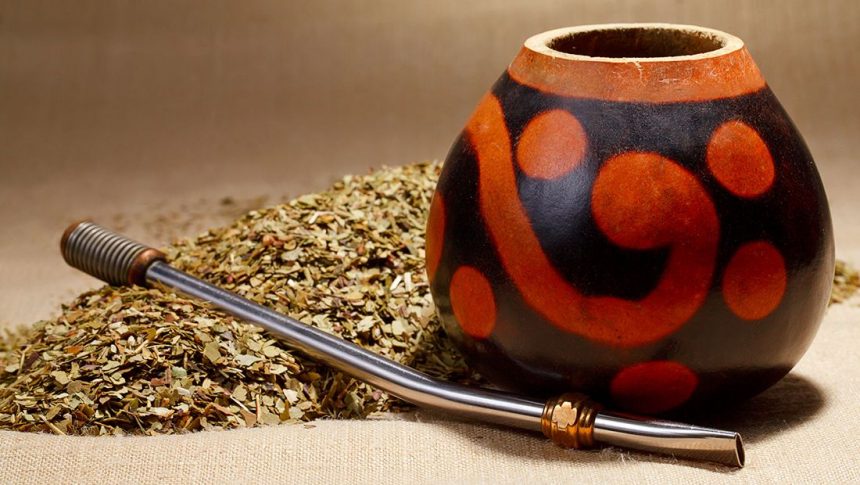
Mate is tea without a kettle. The leaves are brewed in a special bowl called "calabash": from it then the infusion is drunk. Usually this is an individual device, but there are such dishes for two or more people. The drink is drunk through a tube - bombilla. Raw materials are brewed with hot (but not boiling) water. Consume immediately. You can add infusion several times.
The drink is very close to Chinese tea in its properties: it has a great effect on physiological processes and normalizes the mental state. It is believed that this broth does not allow gaining excess weight, reduces hunger. Substances entering the infusion - vitamins, tannins, alkaloids, trace elements - are beneficial in the prevention of diseases of the digestive system and the cardiovascular system.
In Brazil and Paraguay, the local population has been using mate - a decoction of holly leaves - for many centuries: it relieves fatigue, serves to detoxify the body. Mate is also a meditation: although the ritual differs from the Chinese tea ceremony, it is similar to it in its deep meaning. By adding water to the vessel several times, slowly drinking the infusion, you can calm down and concentrate. Mate goes well with mint and citrus fruits.
After the discovery of America, the Spanish colonialists included mate in their diet. Interest in this drink among Europeans was unstable, but lately such products are in great demand on the market, as well as vessels for making mate. The wild-growing holly has been cultivated on plantations in Argentina to increase yields and make it easier to harvest the leaves for the popular ethnic tea.
The name "calabash" comes from the Spanish name for pumpkin. Initially, these vessels were made from wood gourd. The culture of brewing holly leaves developed, and vessels began to be made from a variety of materials, from wood to porcelain and silver. Interestingly, the word "mate" also comes from the name of the pumpkin, only in the Indian dialect.
The calabash needs to be treated with care: it should be soaked in mate, but not moldy. Drying is done in various ways: one of them is filling dry leaves into a vessel.
African rooibos
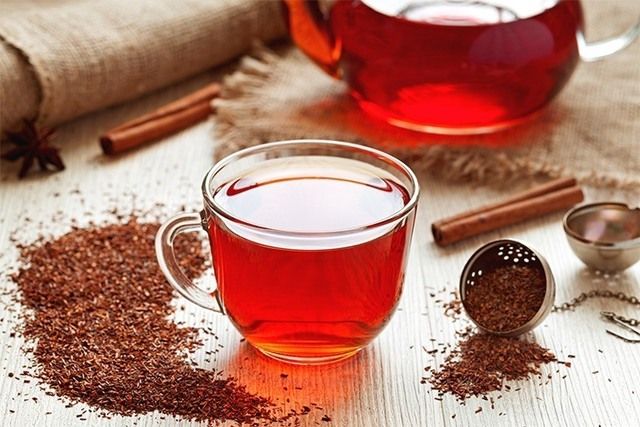
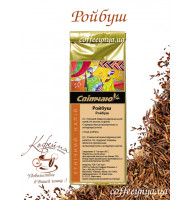
Rooibos is gaining popularity. The leaves of the "red bush" plant were exported to Europe from South Africa at the beginning of the 20th century as a rare tea. Now about 10 tons of this product are exported from South Africa annually. A distinction is made between green and red (fermented) rooibos.
Previously, such a drink was consumed only by indigenous people, they have well studied all its useful properties. And there are a lot of them. It is noted that regular consumption of Rooibos supports the body and normalizes many important functions: immunity, digestion, sleep, blood pressure. It is very useful for colds and for their prevention. Modern research has confirmed the presence of beneficial vitamins, flavonoids and minerals, it does not contain tannins that are harmful to the body.
The absence of contraindications is a great advantage. This drink can be consumed by everyone: babies, pregnant and lactating women, people with hypertension. It is especially important that it is not only hypoallergenic, but also has a beneficial effect on various skin diseases (including when applied externally, as a lotion).
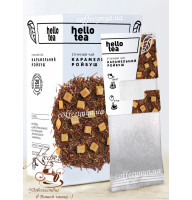
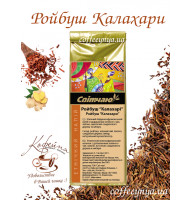
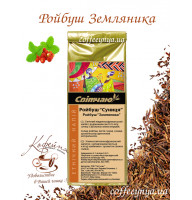
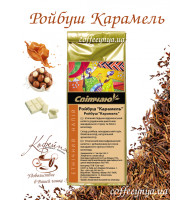
This African tea goes well with various additives: Rooibos Caramel and Rooibos Strawberries are loved by both children and adults. You can brew it in a standard teapot, pouring boiling water over it.
Honeybush is another drink from Africa
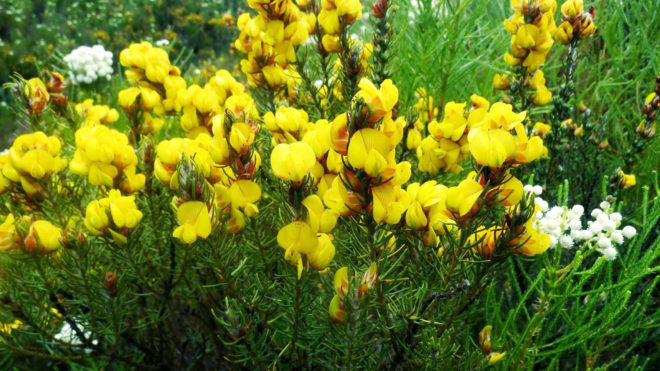
In terms of its excellent properties, the "honey bush" - honeybush - is similar to rooibos. Both shrubs belong to the legume family. But this tea is not as readily available as rooibos. It is less common on the market.
The raw materials for the drink are harvested mainly in the wild (unlike rooibos, which is grown on an industrial scale). At the honeybushnot only leaves are used: flowers and stems are also used. Honey aroma and taste, rich color make the infusion very attractive. This plant has accumulated many useful substances that help prevent various diseases, cope with colds and high blood pressure. In this respect, it is analogous to the rooibos.
Honeybush is usually brewed in the same way as black tea. But you can even boil it. Honeybush goes well with different ingredients: honey, milk, sugar.
Taste exotic tea
Nowadays, it is easy to appreciate the beneficial properties of exquisite overseas tea compositions for yourself. In the coffeeynya.ua you can buy classic rooibos, as well as with delicious, aromatic additives. Various packaging options are provided: a small volume (50 g) is good for those who want to join the variety of world famous drinks for the first time. For connoisseurs and connoisseurs, packages of ethnic tea of 100 and 250 grams are suitable.