COFFEE
 TEA
TEA CAPPUCCINO AND HOT CHOCOLATE
 SWEETS
 SYRUPS
 TABLEWARE
 RELATED PRODUCTS
 GIFTS AND SOUVENIRS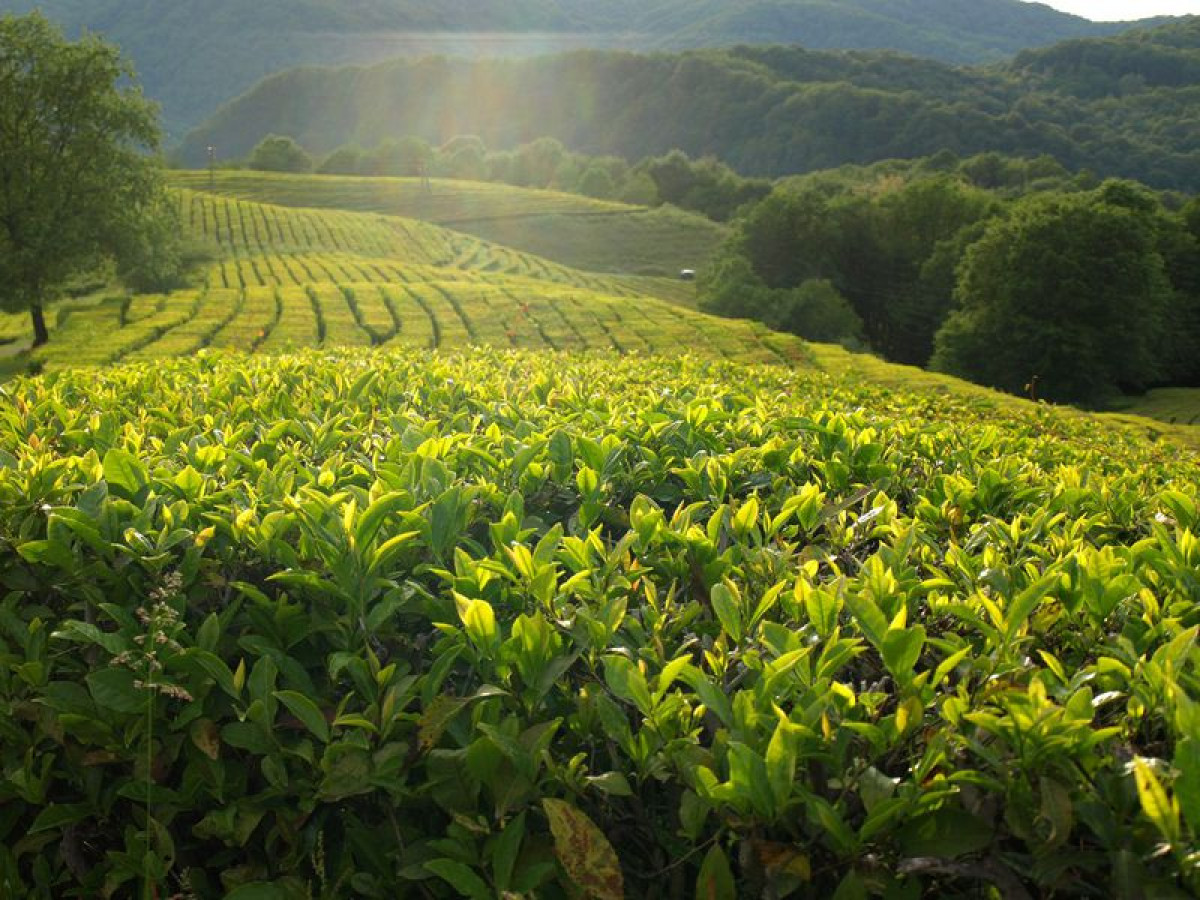
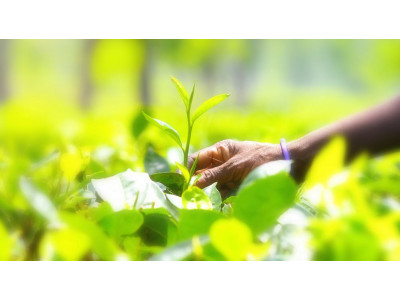
Tea is a drink so common at any time of the day in many countries that most consumers do not even think about where this or that brand comes from. The tea leaves, packaged in bright packages, or compact bags offered by many companies, buyers most often choose by trial and error, focusing on their own taste preferences. Before buying tea, rarely does anyone wonder where it is grown. But the tea industry is a huge world, with its own rating of leading producers, supply volumes, the total size of plantations, unique characteristics of raw material fermentation, an abundance of varieties and national preferences.
The undisputed leader
China is a country for which tea has historically been one of the most important products for the domestic and foreign markets. More than two and a half million hectares of land provide their own population with high quality leaf and grow goods for export. Note that the Chinese prefer to drink green tea, while the Europeans mostly drink black tea. Both come from this country. They are distinguished by the peculiarities of fermentation.
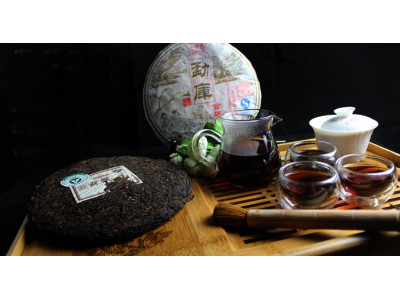
Nowadays, authentic Chinese products are becoming more and more popular: Europeans brew various types of leaves in the traditional Chinese way - with several short spills of hot (about 90 degrees) water. Descriptions and names of Chinese teas sound like poems in prose: meditation and pleasure begins with choosing the right kind. For China, tea is not just a drink, but also a special culture with which numerous customs and legends are associated.
If not Chinese, then which one?
There are several other countries on the world market from which importing states are ready to buy high quality tea every year. But it is interesting that even together, these countries do not supply as much sheet as China does. This country is followed by India in the tea rating, followed by Sri Lanka and Kenya. However, in India, the land under tea plantations is five times less than in China. Overall, these top four countries represent three quarters of the global tea industry.
Of course, the consumer is mainly interested not in the volumes of supplies, but in the quality of the brew. Not only experts, but also ordinary tea lovers claim that the taste of a Chinese, Indian, Ceylon, Kenyan or Turkish drink is completely different. Here, it should be noted that the varieties of tea within one country can differ significantly: the microclimate, agricultural technology, etc., affect. Discussion of the taste, aftertaste, aroma of various infusions is a fascinating conversation for true gourmets.
There are other major manufacturers in the world. However, shops do not often offer to buy tea from Argentina, Vietnam, Indonesia, Bangladesh or South Africa. It is not worth regretting this especially, since the best tea in large volumes still grows in the countries that are in the TOP. And if you go through the list of producing countries with a smaller volume, then you need to mention Brazil, Myanmar, Japan; however, in these countries plantations do not reach 100 thousand hectares of agricultural land. And about 20 hectares each fall on this crop in Tanzania, Uganda, Rwanda, Paraguay, Iran, Malawi. All other countries growing tea in general will have about 100 thousand hectares.
European experiments
The colonial Europeans did not create an export tea industry from scratch. The culture of tea in Asian countries originated before our era. It would seem that it is enough to import a hot commodity from hot countries and be content with it. But for sophisticated connoisseurs of tea drinking, for example, the British, it was not enough to buy classy products from China or India. They tried to grow some varieties on their own land. So, in the county of Cornwall in the 21st century, a plantation appeared, bringing several tons of excellent raw materials.
This culture also took root in the Azores (Portugal). Love for tea pushed specialists in Armenia, Georgia, Russia to grow climate-adapted types of tea bushes: the results did not always meet expectations, but some brands are still successful. There is also a successful experiment in Transcarpathia to get your own tea leaf. This does not mean Carpathian herbal preparations (they are also sometimes called tea). Namely, frost-resistant evergreen teas that can survive the winter and produce crops in industrial volumes.
Choice is a pleasure too
The anticipation of a pleasant tea drinking begins with the choice of a product that fully meets the needs of a person. These days it is very easy to buy tea that suits a wide variety of preferences. Convenient and easy-to-brew teabags, exclusive pu-erh, black or green - any option is available to the modern tea lover. Ordering tea with delivery across Kiev in the coffeeynya.ua is a simple solution. We have a large selection: there is loose and packaged; fruity and herbal. Discerning shoppers will find several types of autenas to their taste.typical Chinese teas, as well as ethnic tea collections - mate and rooibos.