COFFEE
 TEA
TEA CAPPUCCINO AND HOT CHOCOLATE
 SWEETS
 SYRUPS
 TABLEWARE
 RELATED PRODUCTS
 GIFTS AND SOUVENIRS
Why coffee is getting more expensive
Experts' forecasts are disappointing for Arabica lovers: Brazilian coffee beans will rise in price due to the drought of 2021. 20-30% of the "take-off" of the cost of raw materials from Brazil - this is how the upcoming contracts in the world markets were assessed. However, a deficit is not expected: the year 2020 was fruitful for exporting countries, and importers have a sufficient supply. During the year, observers were particularly interested in the growth rate of exchange prices, it turned out to be the highest in the last five years. How long will the retail price hike last, and will it be at all?
When it was
Brewing an invigorating cup, we are not very worried about the dynamics of prices on coffee exchanges - their fall or rise, especially in historical retrospect. And world coffee prices were higher than the current ones not so long ago - both in 2012 and 2014. And the "record" crop failures in Brazil in the 70s or 90s of the 20th century are even more forgotten. Although they caused a significant shortage of a strategic product in the importing countries and a sharp rise in the price of export goods from the state-leader of coffee plantations.
parently, such inattention of consumers to the issue of changes in exchange prices for coffee is caused by a completely successful solution to the problem as a whole. Not only in Brazil, but also in other countries. Exporters who were previously less in demand are entering the market. "Brazilian frosts" led to the dynamic development of the coffee industry in other regions: for example, in Vietnam. Thus, thanks to investments in Vietnamese robusta, at the beginning of the 21st century, world coffee prices began to fall.
It is not yet clear how effectively buyers, suppliers and consumers will get out of the current situation. In Vietnam, transportation has risen in price, and in Colombia, socio-political unrest has led to problems with infrastructure and supplies. These countries (together with Brazil) are among the top three producers of coffee beans. Therefore, there has been an increase in the price of all segments and, first of all, specialty coffee. A rise in price of high-quality arabica is predicted to be 80%. The demand for it continues to grow among ordinary buyers around the world. Although they talk about Robusta much more calmly, assuming that it will not cost much more.
Unprofitable occupation?
Coffee producers, especially farmers, are concerned about the other side of the issue. They have repeatedly faced an overproduction crisis where a product had to be handed out at bargain prices to unscrupulous agents. And this is in good years! What can we say about periods of drought, cold snaps, hurricanes, earthquakes, when there is an urgent need to replace coffee plantings with some kind of agricultural more resistant to climatic cataclysms.
Again, diseases of coffee trees, the difficulty of growing in the absence of specialists, social explosions. So the pandemic has led to undesirable consequences in a number of countries: a shortage of workers due to a number of bans on crossing state borders. The stabilization that coffee associations are trying to negotiate concerns, first of all, avoiding an excessive fall in prices: in this way, the industry in many countries will be reduced, if not liquidated. The opportunity to develop this segment of the economy in the producing countries is of great importance. An objective rise in prices during a crop failure is inevitable. Demand is higher than supply. It would be nice if this somehow helped the farmers.
Fair price
This is another important point when it comes to the cost of coffee. How fair is the price that resellers give to coffee beans producers, including small farms and cooperatives? Peasants leave this business for various reasons: because of their age, because of the more successful development of other sectors of the economy, because of social imbalances and turmoil. The so-called "organic" product is grown in countries where the population has low incomes, and plants are not fertilized with chemistry simply due to lack of funds. But the result in the form of a fragrant cup is very popular with coffee lovers.
Coffee plantations and end-product factories are far apart in every sense. Some have a wonderful climate, cheap labor, while others have production facilities for processing raw materials grown in tropical regions. The added value is not commensurate with the original purchase price of green coffee beans. If farmers receive a fair price for their labor, this gives them the opportunity to expand and rejuvenate their plantings, invest in education and agricultural technology. If not, then they face complete ruin.
Long road to the buyer
Between the drought and frost in Brazil and the retail trade, there is a long chain of very different circumstances that affect the final price tag. In part, this question rests on the ability to pay of the population accustomed to drinking coffee. And it mainly depends on exchange trading and the exchange rate of the national currency.
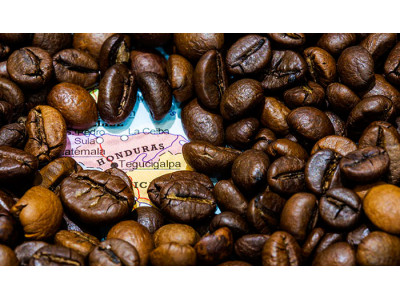
Probably, there will not be a sharp jump in the cost of a drink in cafes and stores right away, some protection from price fluctuations from large suppliers is stillthere is. There are warehouses and long-term contracts. There are a number of reasonable schemes that allow roasters to buy coffee from other countries (Guatemala, Honduras, etc.), where the price is more stable and the products are not worse.
But there are also internal problems in the powers that import coffee: inflation, duties, markups from trade networks, etc. So the winter of 2021/2022 does not bode well for the cheapening of the popular drink. Some trading companies say that they have already received messages from suppliers: not only content is becoming more expensive, but also packaging itself, logistics, etc. On average, the next rise in price for some varieties was noted in the range of 10-12%.
Buy at a reasonable price
Nobody wants to overpay for any product, including coffee or tea. Therefore, the best option is to buy coffee from a well-known respectable brand, which guarantees full compliance of the cost of its products with its quality. Another significant point: "Coffeeynya" is responsible for the fact that the customer receives an authentic product, and not fakes, which unscrupulous manufacturers are trying to flood the market with. Cheapness in their case turns out to be evidence of a low-quality product. To learn how to distinguish real packaging from counterfeit products, read the articles on our website coffeeynya.ua.