COFFEE
 TEA
TEA CAPPUCCINO AND HOT CHOCOLATE
 SWEETS
 SYRUPS
 TABLEWARE
 RELATED PRODUCTS
 GIFTS AND SOUVENIRS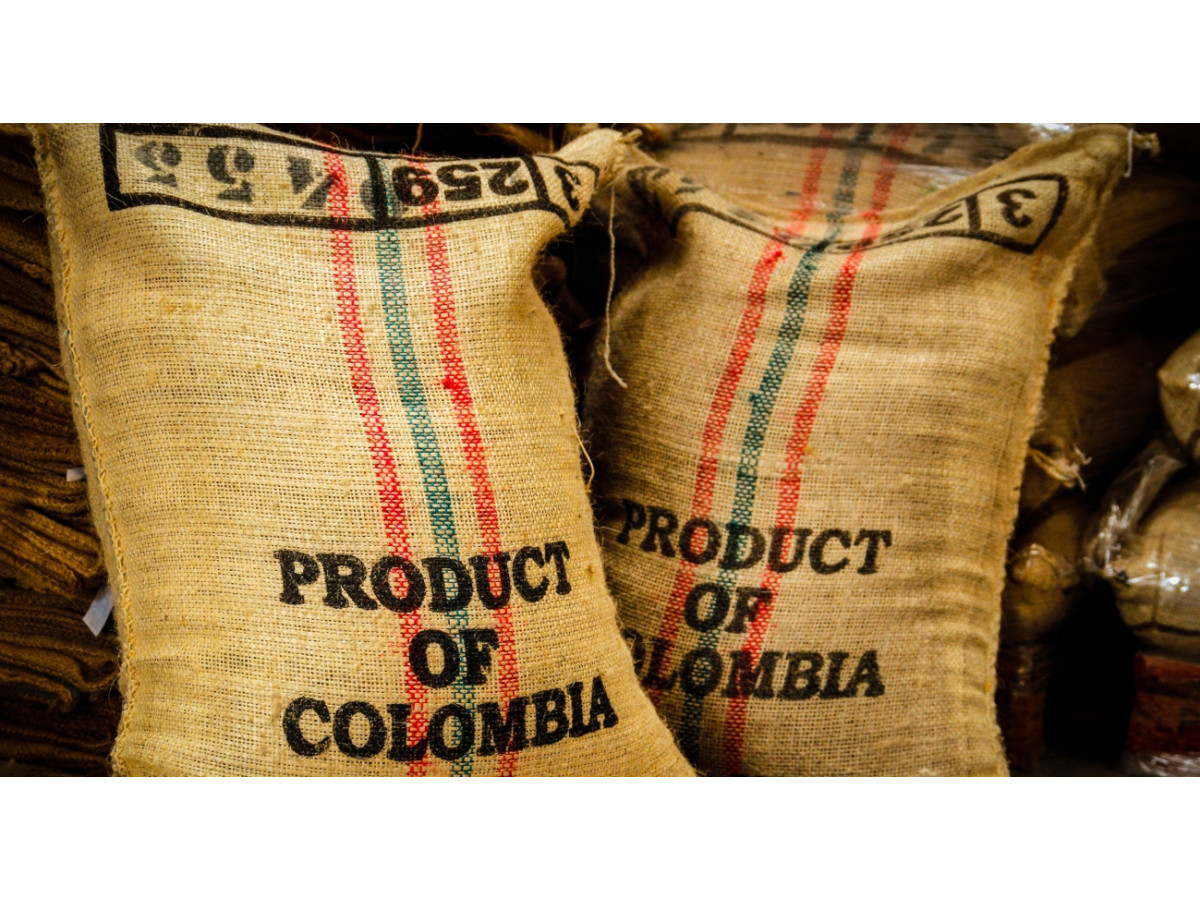
The Columbian Coffee brand has become an undoubted victory in the struggle to recognize the uniqueness of local Arabica. The protected name was approved by the European Union in 2007. Much earlier the exclusivity of the product was recognized in the USA, Canada and a number of Latin American countries.
Juan Valdez - the face of success

Specially invented for the Colombian coffee industry, the character is a cheerful planter in a wide-brimmed hat, riding a mule. He was given a name, one of the most common in Spanish - Juan. And a surname familiar to the hearing of Latin Americans. Juan Valdez and the mule Conchita, depicted against the backdrop of the mountains, have been of great benefit to coffee producers.
The logo printed on grain bags has become a kind of quality mark since 1958. It is for the high standards of its products that the Colombian Association of Coffee Manufacturers has fought for many years. The symbolism has become an indication that the product has only local origin, meets the necessary requirements and does not mix with any other grains.
The horse is not just a tribute to archaic farming methods. The farms are located high in the mountains, and many of them cannot be reached by car. To make the image of the farmer more convincing, he was "revived" for advertising campaigns. For the longest time (almost 50 years) the role of Juan Valdez was played by the actor Carlos Sanchez.

The drawing is used not only on bags, but also on packaging, labels, etc. There are chain coffee shops under the name “Juan Valdes” in Colombia and other countries.
Ups and downs
Farmers tend to plantations in mountainous areas at an altitude of 500 to 2300 m. Half a million families live in this difficult task. To understand the scale of this field of activity, it is worth recalling: plantations are located on all mountain ranges of the country and occupy more than a million hectares. The national average is 12 million bags (70 kg each) per year. But depending on weather conditions and other important points, it can rise or fall.
Since the 18th century, difficulties in coffee production are not only about agricultural technology and significant labor costs. There are acute political and economic components that have repeatedly worsened or improved the state of affairs. The National Federation of Coffee Producers is committed to advances in agriculture and the settlement of political and social dissonances.
Earthquakes, climate change are taking their toll on the coffee industry. A new attack is a pandemic that makes it impossible to attract the required number of seasonal workers. There were other problems that we managed to overcome. For example, the "cafeteros" strike in 2013 due to falling product prices and insufficient government subsidies. Since the general trend of growth in consumption of coffee from Colombia in the world continues, then planters can count on the "right" value in the future. Now the demand for Colombia's mono-Arabic is higher than the volume produced here.
Two harvests per year

In the ratings of producing countries, Colombia ranks high in terms of key indicators. In terms of total volume - the third, in Arabica - the second.
The two crops are not equal in quantity and quality. The first, the main collection takes place from April to July and gives up to 90% of the total volume for the year. The second is not so significant, but it also contributes.
The National Coffee Institute affects agriculture in the most direct way: it works on plant breeding for maximum yields and disease resistance. The institute has developed a clear classification for coffee beans. First, by size (3 options). Secondly, by possible grain defects (also 3 stages). This affects the export price.
A certain standardization of mono-arabic Colombia is allowed, when grains from different plantations are mixed, having common indicators in terms of size and defects. It is believed that if the grain of the highest quality is produced, the system makes it possible to trace the origin of the lot from the very beginning and to buy coffee from a regional farmer.
Colombian Arabica by Region

There is no doubt: coffee from Colombia is Arabica and only Arabica. For the most part, not yet roasted grains are exported for further processing. The varieties are divided by region. As in winemaking, it is believed that the characteristics of the grown raw materials depend on specific natural conditions. Colombian coffee is distinguished by its origin:
- Amazónico - from the departments of Caqueta and Putumayo;
- Cauca - grown in volcanic soil;
- Casanare - municipality of Tenare;
- Nariño - at an altitude of 2300 m near the Galeros volcano.
Differences in temperature, altitude, humidity and soil characteristics lead to a special saturation, taste and aroma of the drink obtained as a result of grain processing. Fans and tasters alike celebrate the recognizable characteristics of coffee from ten areas. Different cups will have a roasted walnut flavor or sweet, floral notes, slight or noticeable sourness, herbal or caramel flavor. All the nuances of authentic Colombian coffee are countless. There is a wonderful offer for his loversa visit to the "Coffeeynya": buy coffee originating from this country.
The culture of Colombia is justly proud of its coffee, as well as of another masterpiece of this country - the prose of the Nobel laureate Gabriel Marquez. The special aura of Creole history, mystery and simplicity, is inherent in these outstanding achievements. An object protected since 2011 by UNESCO - Colombia's Coffee Cultural Landscape.















-400x300.jpg "Coffee Industry: Cuba")