COFFEE
 TEA
TEA CAPPUCCINO AND HOT CHOCOLATE
 SWEETS
 SYRUPS
 TABLEWARE
 RELATED PRODUCTS
 GIFTS AND SOUVENIRS
Bolivia is an agricultural country, while actively developing. Coffee is one of the strategic agricultural products and has great expectations as an export commodity. Although it is more difficult to supply it from Bolivia than from other states: the country has no access to the sea, moreover, it is considered the poorest on the continent.
At the beginning of the 20th century, only a tenth of the harvest was exported, mainly to the neighboring state - Chile. Then the weight of coffee exported abroad did not exceed 70 tons, now this figure is about 5400 tons. Importing countries (USA and European powers) are ready to buy coffee beans for the production of various types of finished product - single or mixed. In 2019, about 90 thousand bags were taken out of Bolivia, each - 60 kg.
Eastern foothills of the Andes
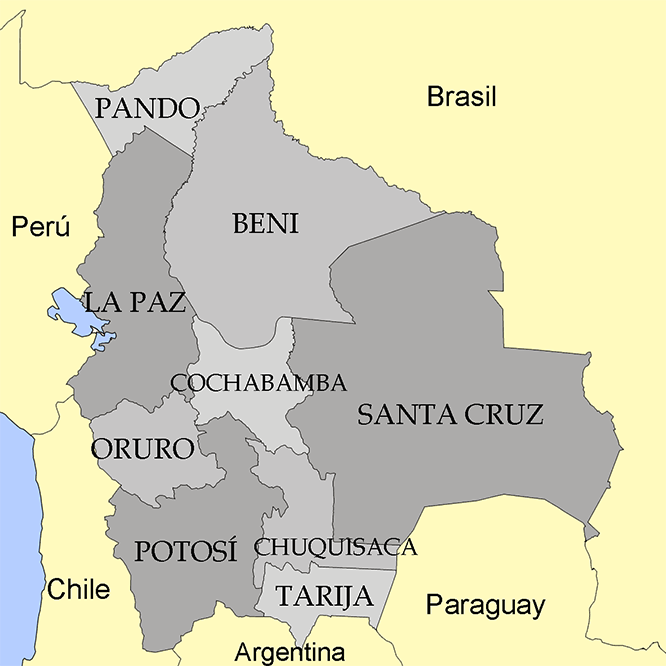
The eastern foothills of the Andes, called Junga, are ideal for Arabica plantations due to their height, soil and microclimate. New trees, requiring little maintenance, can grow from fruits that have fallen to the ground. Farms are located at an altitude of 800-2300 m. Coffee planting in the form of undergrowth is a typical option for this region.
Bolivian coffee obtained in mountainous areas has always been characterized as having excellent taste and was in demand in European countries. Departments where coffee grows:
- La Paz,
- Cochabamba,
- Santa cruz
- Beni
The most important coffee-producing region is the province of Karanavi (formerly Nor-Yungas). There is a humid tropical climate that is optimal for this culture. Transporting crops from mountainous areas along hazardous roads is quite difficult. It is clear that this difficulty is associated with the need to grow coffee at a considerable height: then the grain is of higher quality and aroma.
Arabica subspecies growing in the Jungian zone: typika, katurra, katuai. The famous "pibbury" is also grown here - a coffee bean that resembles a single bone.
The specificity of the Bolivian coffee industry is the processing and use of not only coffee beans, but also the fruit itself. A kind of fruit drink is prepared from the dried "waste".
Poverty is not a vice
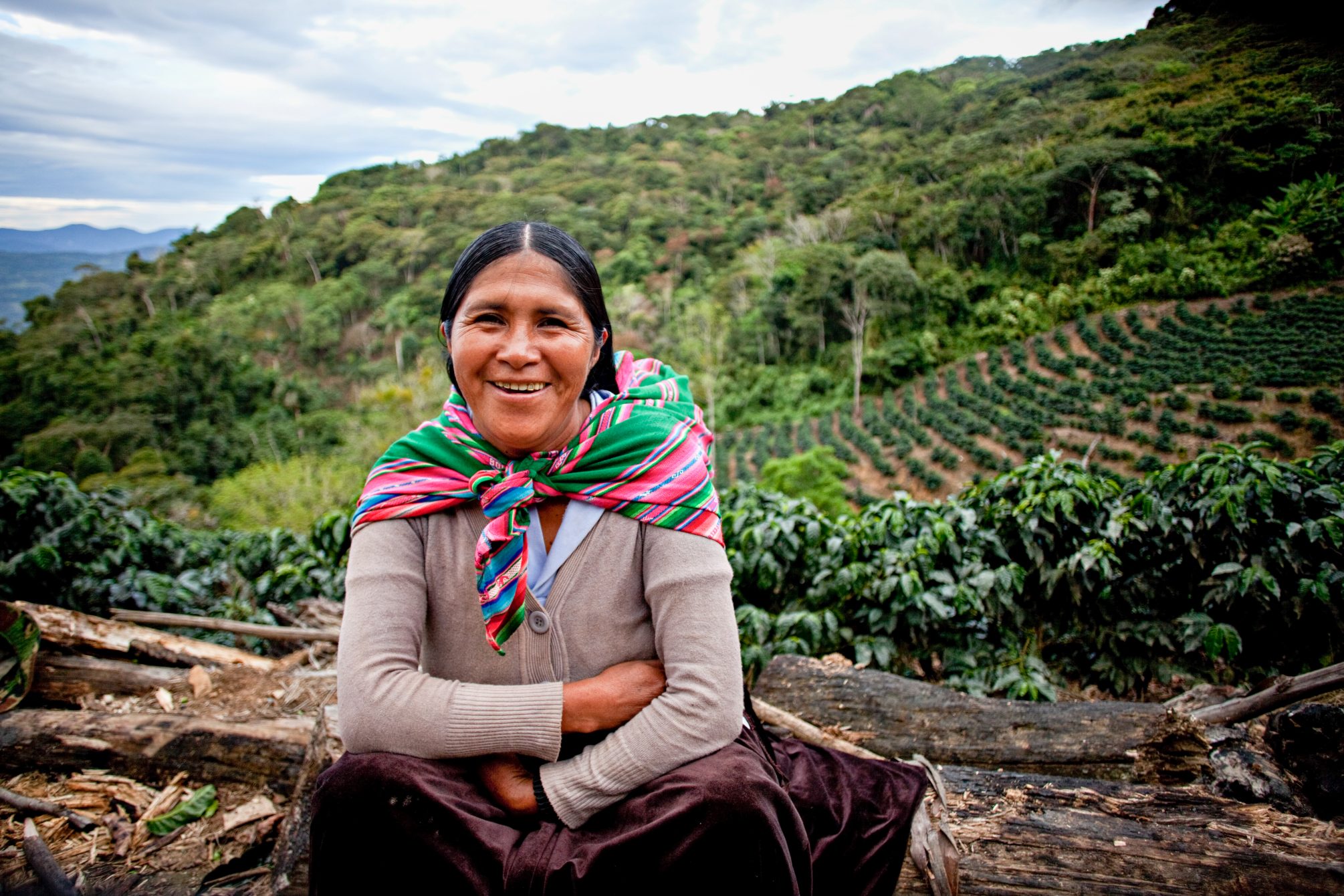
Coffee trees grow on small farms. As a rule, an indigenous Bolivian (from local ethnic groups) allocates for them 2-5 hectares in his allotment (10 hectares) allocated by the government for agricultural needs. It is obvious that with the growing demand for coffee, there is an opportunity to expand this production. Undoubtedly, the local coffee is organic, grown without "chemicals".
Almost 90 percent of Bolivian coffee comes from smallholder farmers. Of course, poor peasants do not have enough money to buy equipment for processing coffee (although the first mechanisms for roasting coffee were installed in La Paz at the beginning of the 20th century). In addition, Bolivians are in dire need of skills and education to properly cultivate plants.
Bolivians grow many agricultural crops, including soybeans, corn, potatoes, rice and coca. Interest in planting coffee in the country is constantly growing, as the demand for it (as an export product) is increasing. It is noted that coffee trees are crowding out coca, which is a product not only for the food and pharmaceutical industries, but also for the drug trade. Another important point: although Arabica is a rather whimsical plant, it was in Bolivia that it helped the country in difficult climatic periods (frost or drought). The value of Bolivian coffee has grown year after year. It rose almost fivefold from 2004 to 2017, but importers were ready to buy coffee at an increased price.
One of the major problems for producers of good grain is to create a recognizable brand that will be constantly confirmed by the high quality of products. The interest of American importers in the development of the Bolivian coffee industry is mainly related to quality control and the introduction of high standards for evaluating the taste and aroma of the resulting cup of coffee. Those foreign companies that are directly familiar with the producers and their plantations, promote the development of local agriculture and are ready to buy coffee beans at a fair price.
Since the 90s of the 20th century, organizations have been working in the country aimed at solving basic problems: the main thing is to improve the quality of the grown grain. It is equally important to achieve a stable harvest. Bolivia lags far behind in terms of the volume of this culture from its closest neighbors: Brazil, Colombia, Costa Rica, Guatemala.
Cupping
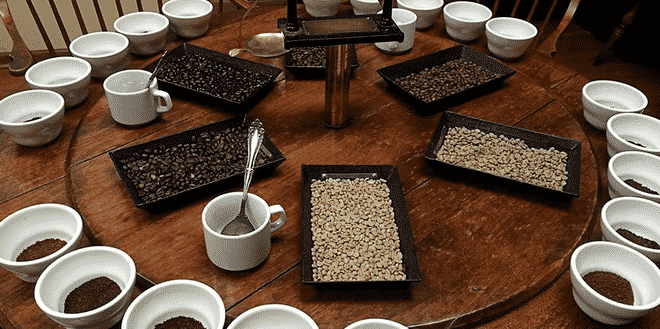
In Bolivia itself, it is customary to drink coffee that is not too strong. Local varieties are characterized as sweet, with tropical fruit flavors, spice tones. Training Bolivian producers (as well as farmers in other countries) in the correct tasting of the drink obtained from the grown beans is one of the modern programs that are developed by world famous coffee companies.
Cupping is a coffee tasting based on well-defined rules. Everything matters, from the pretreatment of the beans (roasting, grinding) to the water requirements and testing conditions. The rating scale is thought out in detail,it includes attributes:
- taste,
- aroma,
- acidity,
- aftertaste,
- uniformity
There are ten such indicators in total, plus a comprehensive assessment and summing up: good coffee has a final score of at least 80 points, outstanding - at least 90.
Consumers are interested in evaluating for themselves how different the taste and aroma of coffee grown in South America, Asia or Africa is. A large selection in the coffeeynya.ua gives a chance to buy coffee from various manufacturers with a worldwide reputation. It is curious to taste it on your own and decide which drink will become the favorite for you and your loved ones. He will set you up for vigor in the morning hours, strengthen your strength during a coffee break, and help you spend a pleasant evening with an exciting conversation.









-400x300.jpg "Coffee Industry: Cuba")