COFFEE
 TEA
TEA CAPPUCCINO AND HOT CHOCOLATE
 SWEETS
 SYRUPS
 TABLEWARE
 RELATED PRODUCTS
 GIFTS AND SOUVENIRS
-1200x900.jpg)

Dry statistics cannot fully describe the multifaceted picture of Cuban coffee culture. On the one hand, Liberty Island grows its own high quality Arabica and exports it; on the other hand, they import from other countries in large volumes a lower quality product. The unique history of the distinctive Cuban people is controversial: sometimes it can be seen in the description of the ups and downs in coffee production. It should be borne in mind that the resort conditions for foreign travelers and the life of the local population are two different things (however, as elsewhere).
Two facts are indisputable. First, Cubans brew excellent coffee and have little interest in tea. Second: Cuba is not only a country of wonderful beaches, azure sea, but also mountains, perfect for growing coffee.
Planters and farmers
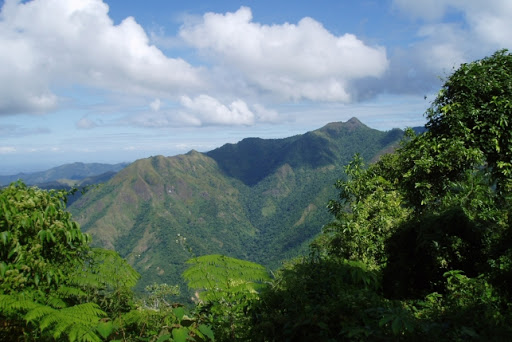
The history of the first coffee plantations in Cuba, founded at the end of the 18th century, attracted UNESCO's interest. Since 2000, one of the world's cultural heritage sites - landscapes in the southeast of the country in the Sierra Maestra, Guantanamo and Santiago de Cuba provinces. Of more than 2,000 old plantation estates, 170 have survived. There, all the details of the thoughtful and rich lifestyle and activities of the owners appear before the eyes of travelers - the planter's house, gardens, production facilities, places for drying, cleaning and roasting coffee fruits. And, of course, the modest or very poor huts of local slaves who worked on the plantations.
.jpg)
There is a misconception that the drop in coffee production is due only to the 1959 Cuban Revolution and the American embargo on Cuban goods. In fact, diversification or abandonment of plantation processing happened several times: in the 19th century and at the end of the 20th.
Cubans have fought for independence from Spain for many years. The Ten Years War, which began in 1868, and other armed clashes, negatively affected the previous way of generating income from the plantations. In addition, by the end of the 19th century, competitors in the coffee industry had grown stronger: Brazil, Costa Rica and other countries. During that period, sugar rather than coffee brought in much more income for Cuban farmers.
A new surge began only in the 20s of the 20th century, in the 50s of Cuba exported about 20 thousand tons per year. The plantations remained fairly large until the start of the new socio-economic era. But even during this period, the harvests were rather big: for example, the harvest of 1962 - 40 thousand tons, the harvest of 1989 - 30 thousand tons. The recession began in the 1990s and lasted until 2007: the existing system of trade relations with the countries of the socialist community failed.
Although the total planting area has decreased by 5 times since 1961, small family coffee farms are able to produce quality certified products. The income of the peasants (by Cuban standards) is quite good. In recent years, businessmen from different countries have shown interest in investing in the Cuban coffee industry: Italy, Great Britain and others. Excellent coffee is grown in Cuba: arabica (typica, bourbon, catimor) and a little robusta.
World brand
The brand has remained a brand. Cuban coffee, like cigars and rum, has not lost its quality, despite all the vicissitudes of history and the frequent hurricanes in these parts. Now Cuba can produce about 10 million tons of coffee a year. These are the figures given by the central Cuban newspaper Granma in 2020. The Ministry of Agriculture recorded the 2019 harvest as the largest in the last twelve years. In other sources, the figures are slightly lower, but even if the statistics differ, no one doubts the quality of modern Cuban coffee abroad.
Exports in 2019 amounted to 6 thousand tons. If not for the embargo, then Cuban coffee in the United States would have been bought instantly. Experts talk about counterfeit: fakes of other countries under the "Cuban", which are found on the American market. Now real Cuban coffee beans are bought by Japan, France, Italy, Spain, Germany, Great Britain, Canada, Switzerland and the Netherlands.
The government is interested in the fact that the growth of production does not stop. Coffee is an export product. The Coffea Arabica production and quality programs in the east of Cuba include essential points for the coffee industry:
- raising the level of knowledge of managers, technicians and farmers;
- adaptation of plantings to climatic changes;
- growth in production capacity;
- equipment modernization;
- renovation of old landings
The Ministry of Agriculture expects production growth in the coming decade, full satisfaction of domestic demand for products and export growth. In the meantime, being a world-renowned coffee country, Cuba is forced to buy a lower quality product from Vietnam for its own population.
Coffee culture

In the museum, you can see the beautiful sets in which coffee was served in the wealthy houses of Cuba. The cups are almost toy. Drinking strong, well-brewed local coffee in large quantities is simply impossible. Taste after a littleThis cup remains for a long time: it seems that the smell penetrates into all the pores. Real coffee is brewed in Cuba: it seems that the Cubans cannot do otherwise.
They say that in difficult times, local residents had to be content with a small "ration" received by distribution. But if you come across arguments that barista culture is alien to Cuba, don't believe it. In Havana and other cities, there are plenty of tourist cafes where you will get a drink prepared according to a verified and varied recipe, well served and always tasty. Coffee is included in some cocktails that have always been popular in local cafes. There is even a spectacular attraction with serving coffee to visitors in an old shop next to the rum factory: coffee and rum burning with a blue flame are poured into cups in the twilight, raising the coffee pot high above them.
Perfect souvenir
A tourist who has visited Cuba is always happy to buy coffee: they are happy to bring this wonderful souvenir both for themselves and for friends. Branded coffee is sold at the airport, in all hotels and souvenir shops. There are coffee beans and ground: it is 100% Arabica - "Serrano", "Cubita", "Turqino". If desired, complete with cute sets or cups with a logo.
Yes, coffee is always a great present. "Coffeeynya" coffeeynya.ua presents various gift options in its catalog: you can buy coffee from famous brands, dishes and the necessary attributes for making your favorite drink. With us it is easy to organize a coffee break in the office and prepare a dessert at home. And unlike Cubans, who are devoted exclusively to coffee, we are always ready to share our love for the best varieties of tea - green and black.