COFFEE
 TEA
TEA CAPPUCCINO AND HOT CHOCOLATE
 SWEETS
 SYRUPS
 TABLEWARE
 RELATED PRODUCTS
 GIFTS AND SOUVENIRS
There are several reasons for the instability of the coffee market in Ecuador. On the one hand, coffee beans are grown in the country and exported. But here they relied on the production of instant drink: it is it that makes up the lion's share in the export of coffee. Almost 85%. In addition, Ecuadorians import raw materials from other countries (mainly Robusta) in almost the same volumes as they sell to foreigners. The data that in 2019 they exported about 42 thousand tons of coffee is adjacent to information about a drop in the production of coffee beans on local plantations. And about the reduction of industrial production of instant coffee by 50%.
Coffee regions
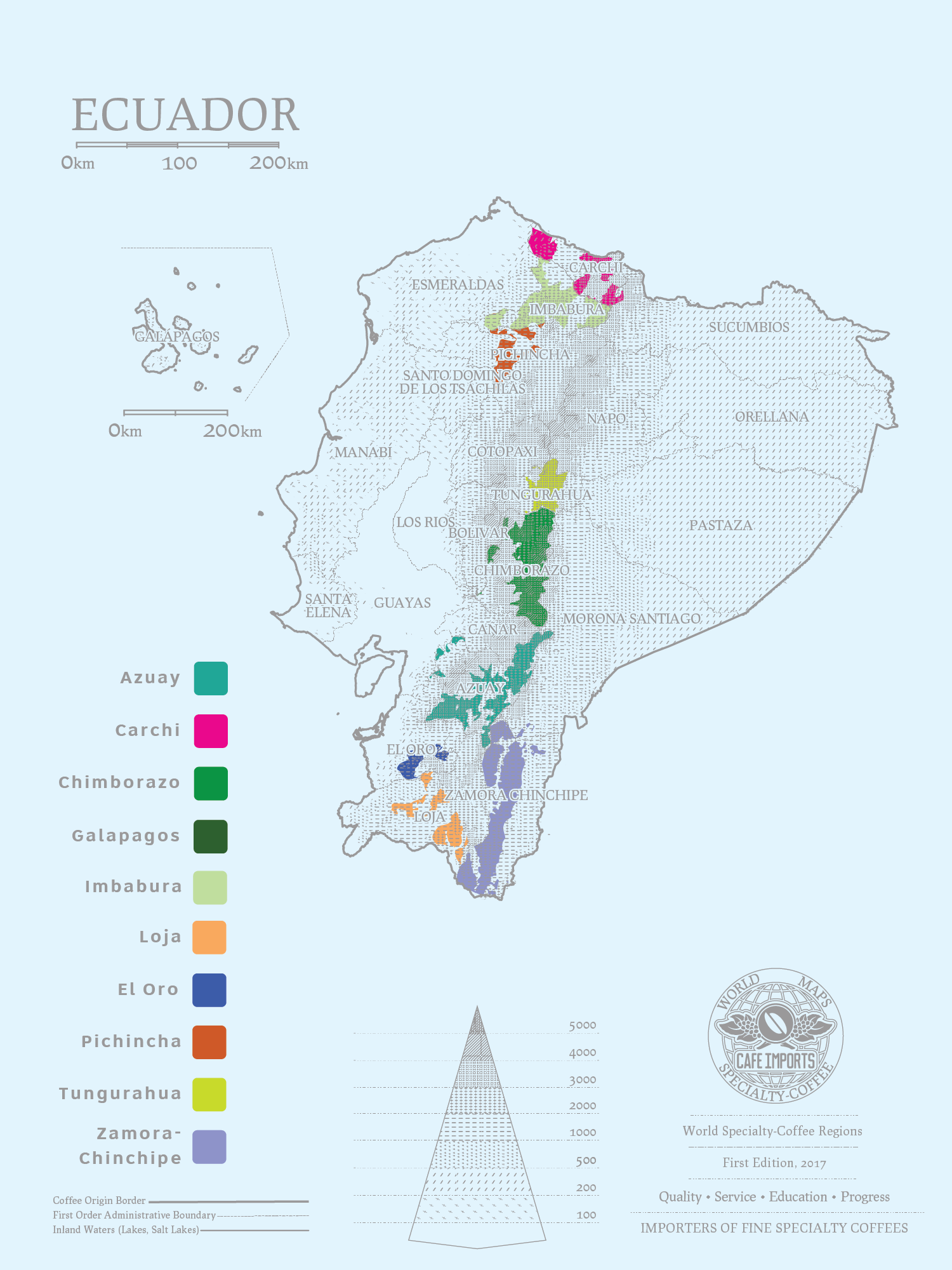
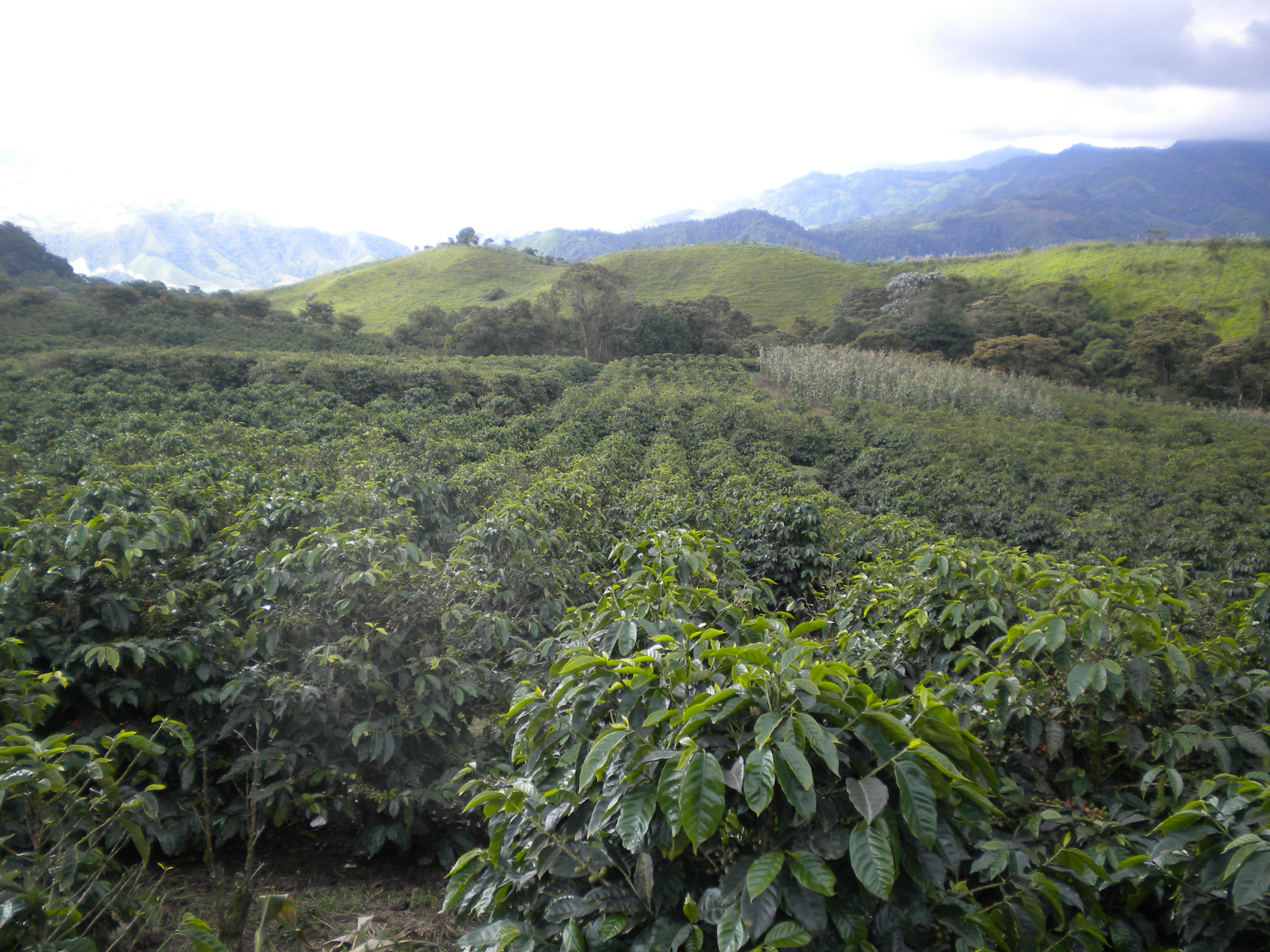
The Andes mountain ranges are renowned for growing the finest coffees. However, in Ecuador, Arabica and Robusta are also grown in other areas - coastal and low-lying. Historically, the first plantations appeared in the coastal province of Manabi. Much has changed in the country since that distant 1860. Large plantations have turned into small family farms, and the regions where coffee grows have grown significantly. In the middle of the 20th century, coffee was the main export crop (it was displaced from this position already in the 1970s).
In the shade of the trees, the plantations of the provinces of El Oro, Loja, Orellana, Zamora-Chinchipe are located. Not far from Quito is the Pakto area. There is a peculiarity of local coffee that is not very convenient for farmers - the beans are formed and ripen at different times. This, of course, complicates the harvest, and requires careful manual processing of each branch.
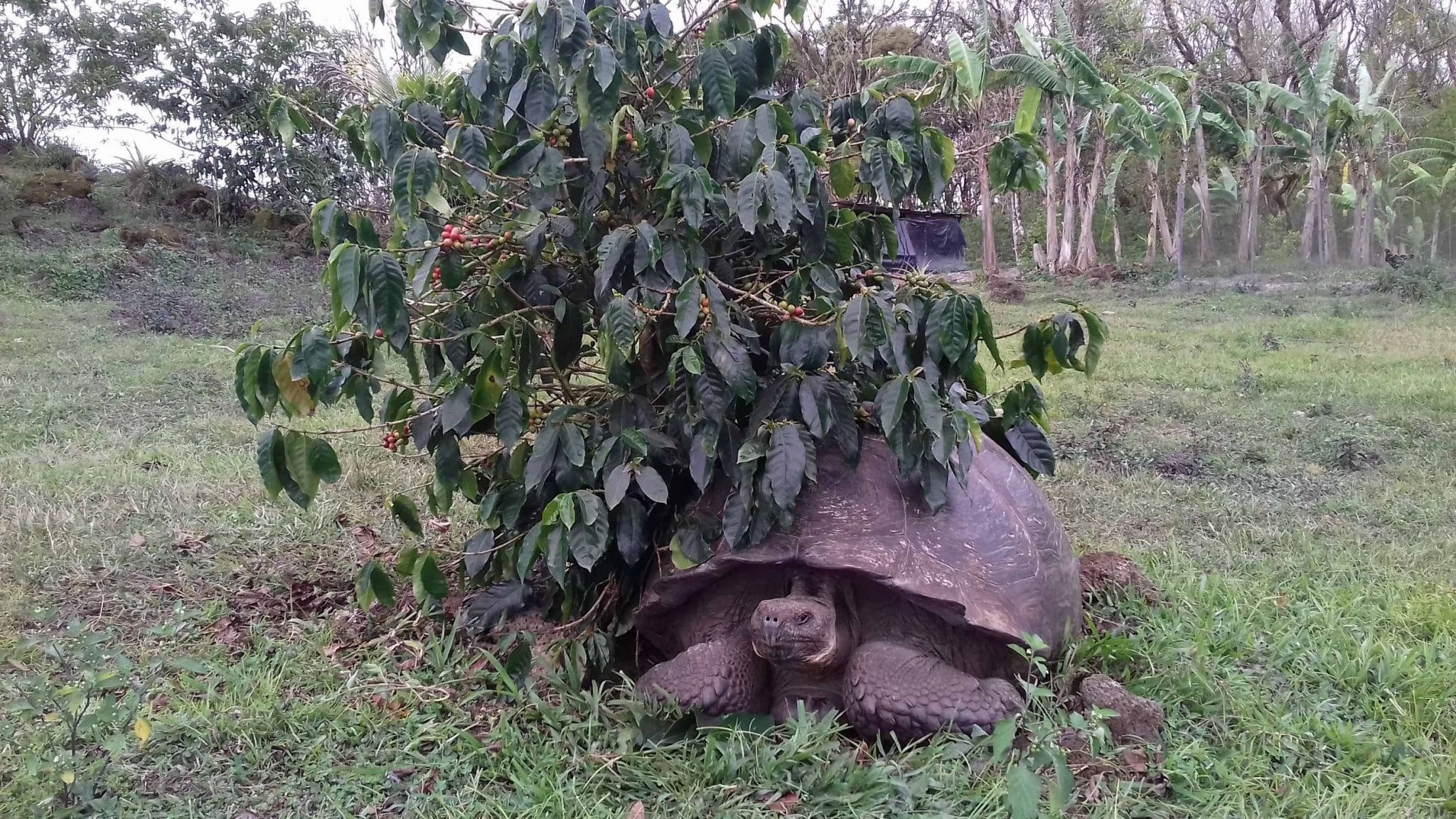
Yet coffee is grown even in the Galapagos: the islands of San Cristobal and Santa Cruz, with their rich volcanic soil, yield their own branded beans (organic products obtained without any chemicals).
Which coffee is more expensive
The economic situation in which Ecuadorian producers grow quality coffee beans has several negative sides. Prices for Ecuadorian coffee in general (both Arabica and Robusta) continue to decline. Although the price of premium Arabica has grown significantly in this country (according to American experts, it has doubled).
Government efforts to rejuvenate plantations are yielding some results, but so far not enough. The decline in the competitiveness of the industry is associated with the low productivity of local farms, a general reduction in the area for coffee and high processing costs. Climatic changes are noted in areas where coffee grows. The country faced volatility in the growth of exports of coffee beans and instant coffee.
For many observers, the position of key figures in the Ecuadorian coffee industry has not benefited farmers. For the production of inexpensive instant coffee, the country buys robusta from Vietnam (even in larger volumes than it exports). Thus, the potential of local producers is underestimated. Farmers do not receive adequate financial support. The industry needs retraining of personnel, provision of new equipment, fight against diseases and pests on plantations, etc. Many peasants reached the point of ruin: without a fair price, they had to give up work on their plots. But in the country, almost half a million people survived by growing coffee beans.
The local population loves to drink coffee: in this Ecuador is no different from most Latin American countries. But there is a paradox: Ecuadorians drink instant coffee, while the country can grow exclusive Arabica. Recent events (related to the pandemic) have also negatively affected the domestic coffee market: even the consumption of cheap instant drink in the country has decreased.
Interest in coffee
However, interest in growing coffee trees in Ecuador continues. They try to cultivate new varieties here (a mixture of Bourbon and Typica). High quality products find their customers. Foreign investors are sometimes interested in buying coffee directly from the farmer (the so-called "micro-lots"): they arrange supply logistics, starting from the farm where the grains were directly grown. By the way, most coffee producers have small plots: from 1 hectare to 10 hectares.
Over the past two decades, enterprising coffee producers have been investing in the best Arabica varieties, picking ripe berries and using the most advanced technologies in their processing. Such consignments find their way to reliable exporters. The share of Ecuadorian coffee products in the world market is about 1%. There are enough countries buying it: both in Europe and in America.
What is worth trying
For people accustomed to instant coffee, it is sometimes not entirely clear why there are more and more fans of high-quality Arabica in the world. Lovers are ready to roast the grains themselves to the desired degree, grind them and cook according to special recipes in a carefully selected coffee maker. Without challenging anyone's preferences, it should be noted that only personal tasting helps to shape the taste. After all, no matter how the various varieties are described by experts, only their own abouttry will help to distinguish chocolate from nutty notes, fruit aromas from citrus, to determine the sweetness and sourness in the finished drink.
The customer can make a unique journey into the world of coffee with the Coffeeynya.ua. Buy coffee made in different countries, taste shades of branded varieties - this is to discover new features of personal taste sensations.







-400x300.jpg "Coffee Industry: Cuba")