COFFEE
 TEA
TEA CAPPUCCINO AND HOT CHOCOLATE
 SWEETS
 SYRUPS
 TABLEWARE
 RELATED PRODUCTS
 GIFTS AND SOUVENIRS
Australians love and appreciate coffee: in recent decades, they not only import grains, but also grow them on their territory. All stages of the coffee industry are familiar to Australia. However, roasting, grinding and cooking is a major part of the country's coffee culture, but the industrial interest in own plantations is a definite innovation. Australia traditionally imports green coffee beans from the main producing countries, receiving only a small portion from its farms.
When plantations generate income

Although Australia has tried to grow coffee on its own territory since the late 19th century, there were two problems that hampered the process. There was a shortage of labor, and the cost of labor on plantations at harvest time was disproportionate to the end result. The fact is that the grain was of poor quality, which means it was inexpensive. From the 1920s to the 1970s, this industry stagnated. It was more profitable to buy coffee and bring it to the country.

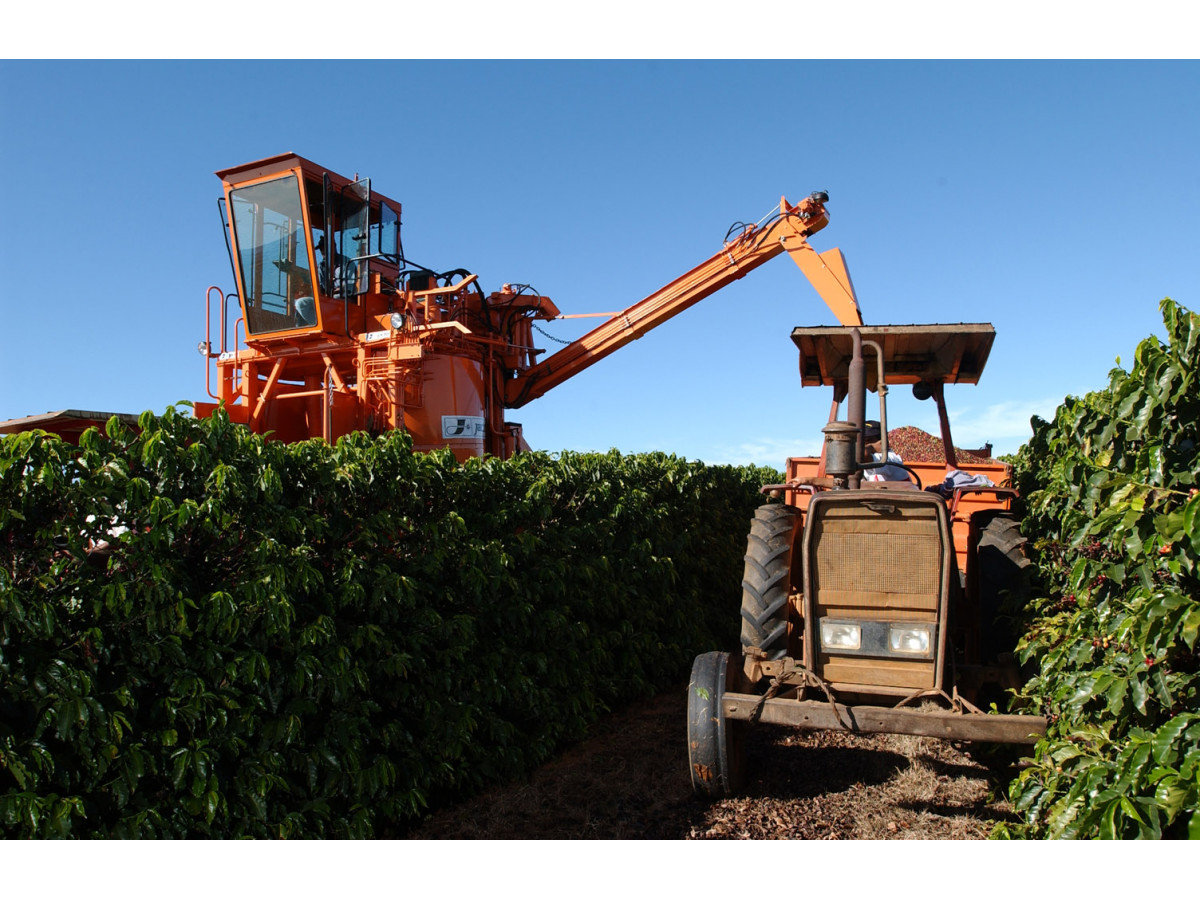
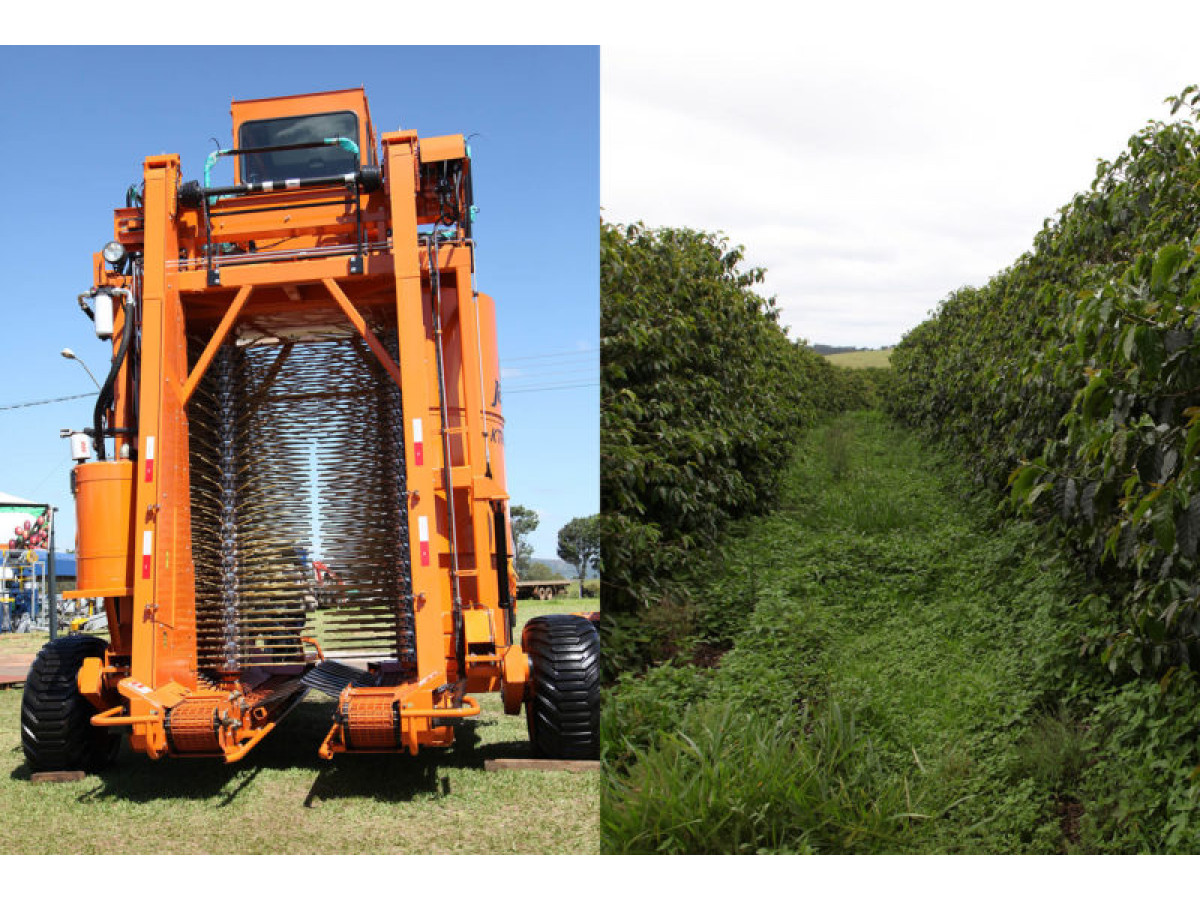
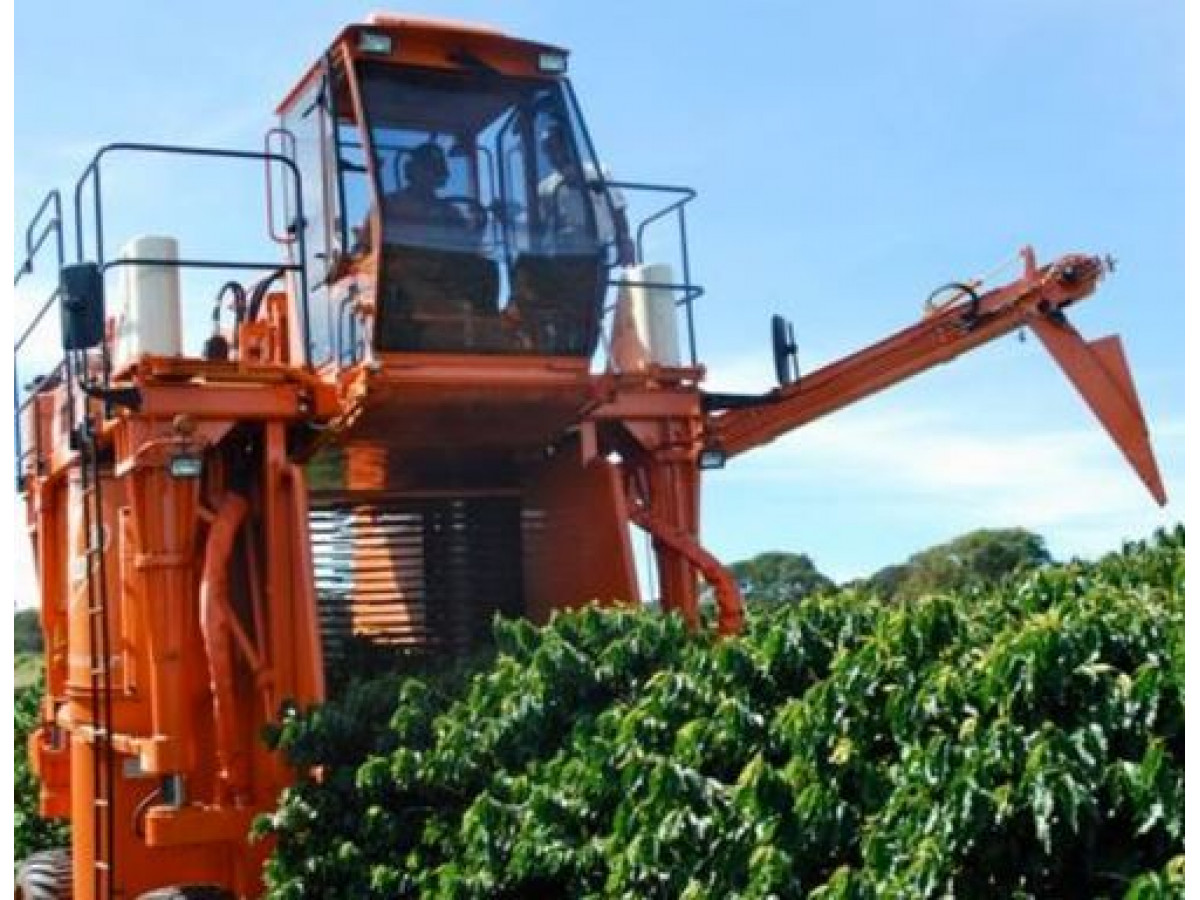
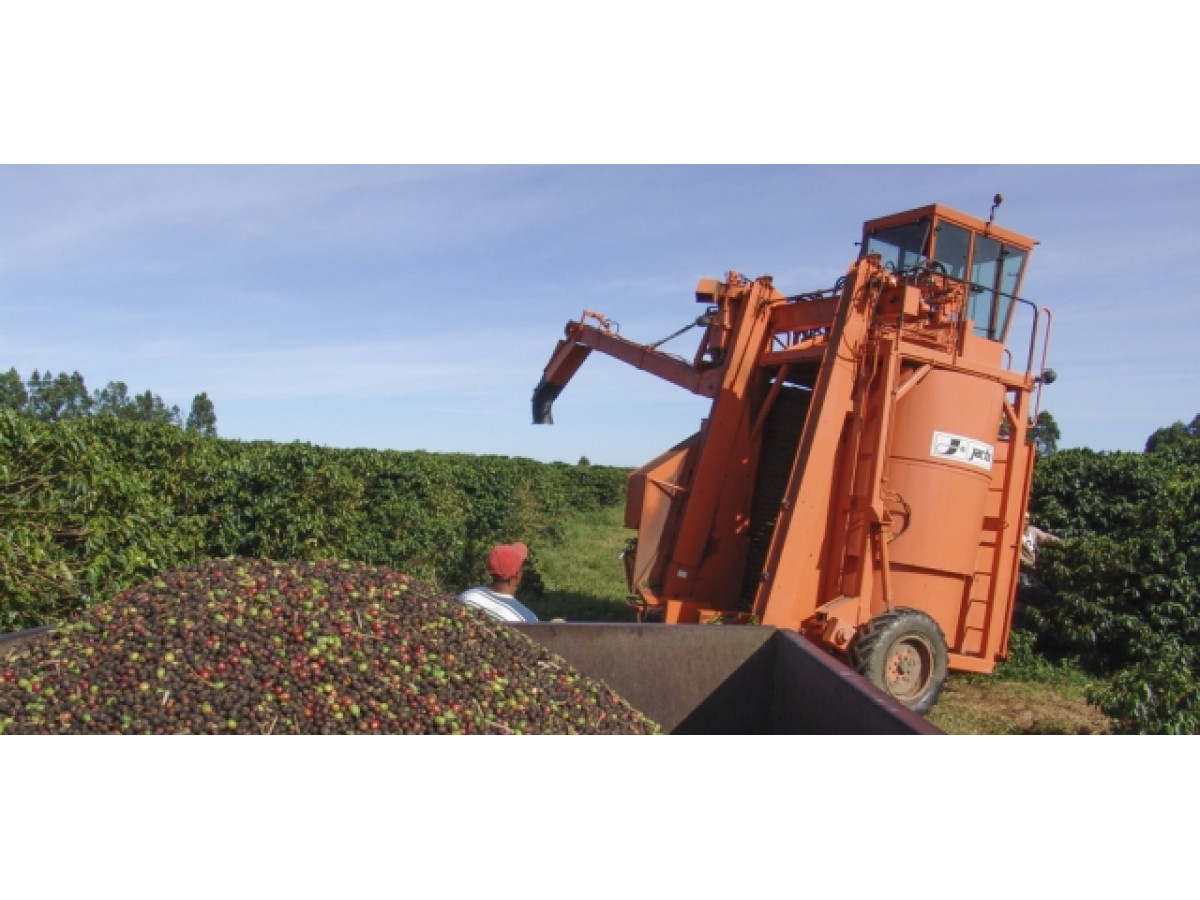
The new stage was associated with both the growing interest in the drink and the mechanization of farms. To collect the grains, not manual labor, but a combine was used. The feasibility of growing coffee trees has increased. In addition, competitive varieties have appeared. The quality of the coffee allowed us to get a decent price in the market. Famous Arabica subspecies were imported from Papua New Guinea to Australia:
- Blue Mountain;
- Arusha;
- Caturra;
- Bourbon.
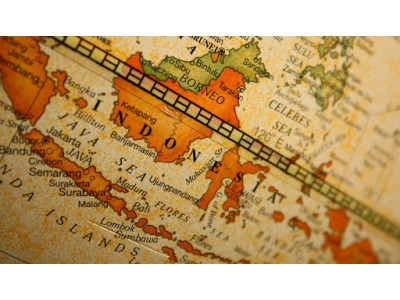
Statistics note that 1,000 tons of local coffee is very small compared to other countries: for example, the Indonesian coffee industry. Australian plantations are generally small, with an average of 30 hectares. In general, the situation looks like a stable one and lacks resources for further development: mechanization does not allow growing coffee in difficult and high places.
Yet Australia's highly developed coffee processing industry and the experience of coffee-based countries are constantly pushing to try to build momentum. The country is interested in researching the benefits of African Arabica varieties and preventing diseases affecting plants. Thanks to climatic features, it is possible to avoid many misfortunes that harm coffee trees, but warming affects them in an ambiguous way.
Where does coffee grow in Australia

The east coast in subtropical regions, due to its climatic conditions, is suitable for planting, these are the states:
- N.S.W.
- Queensland
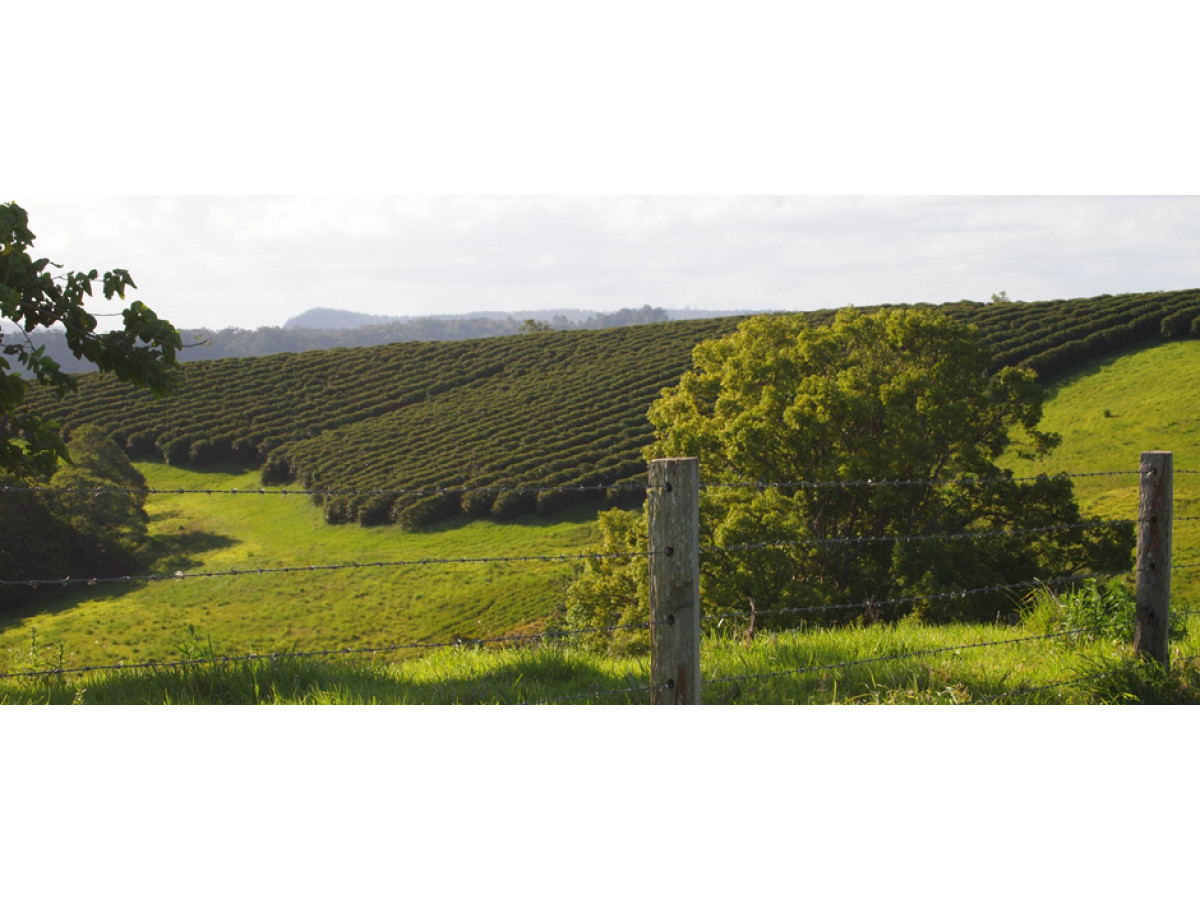
New South Wales is the main coffee growing area in the country. Water and soil are suitable for this plant, and the temperature setting allows for a longer maturation period for the coffee. Here, on fertile volcanic soil, Mountain Top Coffee has grown delicious varieties with special fruity and floral nuances.
Queensland is closer to the equator, and although the harvest is smaller, many of the region's varieties have earned national awards. The Atherton Highlands produces coffee that has been hailed by the tasters as one of the finest in the country, and is primarily a product from the Skybury estate.
Australian coffee taste
Many Australian brands represent quality coffee, but not of authentic origin. Coffee lovers and tasters want to buy coffee directly grown in Australia for the sake of completeness of knowledge about the country and the drink. An important point affecting the taste of coffee: the method of primary processing. Australians cleanse grain from pulp in different ways: there is a traditional wet processing and a dry method. A special process that has taken root in the local climate is double processing: the fruits dry out on trees and then re-moistened.
Since coffee trees do not grow too high in Australia (200-400 meters above sea level), this affects the basic characteristics of the beans obtained. The ability to grow coffee in the shade is a rarity here, which is specially noted as an advantage of individual plantations.
As a result, there is not too much caffeine in beans. The drink has a sweet taste with chocolate and nutty notes. Most Australian coffees appear mild, neither intense nor bitter. What coffee to buy as a souvenir is offered by connoisseurs of Australian culture? These are products from Mountain Top Coffee and Skybury Estate.


Coffee culture
If Australia advertises its own varieties as a national product (which nevertheless managed to grow with good quality), then they are sincerely proud of the ability to roast and brew coffee. The purchase of green coffee abroad and its further roasting became the basis for understanding the world's leading trends in this industry. Australians believe that their coffee culture and industry is so advanced that competitors are unable to seriously establish themselves in the domestic market. For example, ten years ago, the American company Starbucks suffered a fiasco: the Australians did not want to buy its coffee, it was not popular, and most of the chain stores closed.
Sometimes visitors to coffee shops in Australia are considered coffee snobs: they are great at understanding the drink and are not gothova buy a fake or substandard product. Coffee beans are ground just before drinking - the skills of Australian baristas, according to local residents and tourists, really deserve respect. They know how to brew delicious coffee according to both classic and original recipes.
Lavazza coffee in Australia

The Italian company Lavazza opened its production in Melbourne, the capital of the Australian state of Victoria.
Lavazza announced the launch of three new locally roasted coffee blends at the 2019 Australian Open tennis tournament, which ran from January 14 to 27, 2019.
These 3 new types will be produced locally:
- Lavazza Kafa Forest is% Arabica grown in the Kafa forests, which we have already talked about in the article "Coffee Industry: Ethiopia".
- Lavazza ¡Tierra! Colombia 100% Arabica, Colombian origin.
- Lavazza ¡Tierra! Brasile is a blend of Arabica and Robusta from Brazil. The beans will be shipped to Australia and roasted at the plant in Melbourne.
Lavazza has been on the Australian market for over 30 years.
Lavazza Group has acquired the Australian company Blue Pod Coffee, which has been the exclusive distributor of capsule coffee in the country for over 10 years. They are engaged in free rental of Lavazza BLUE, Lavazza Espresso Point and Lavazza Espresso Point Maxi coffee machines.
In our online store Coffeeynya.com.ua all types of Lavazza coffee that were mentioned in this article are presented. To buy original Lavazza coffee, you need to leave a request on the website, or call us.










-400x300.jpg "Coffee Industry: Cuba")