COFFEE
 TEA
TEA CAPPUCCINO AND HOT CHOCOLATE
 SWEETS
 SYRUPS
 TABLEWARE
 RELATED PRODUCTS
 GIFTS AND SOUVENIRS
Small coffee plantations were common in Honduras in the late 19th century. Excellent climatic conditions have always made it possible to grow this crop. But it was possible to buy locally produced coffee only on the domestic market, since a completely different infrastructure was required to export products. By the beginning of the 20th century, gradually developing roads and port equipment, the country began to export about a tenth of the coffee grown. During difficult economic times, Honduras transported coffee to neighboring Guatemala.
Per capita
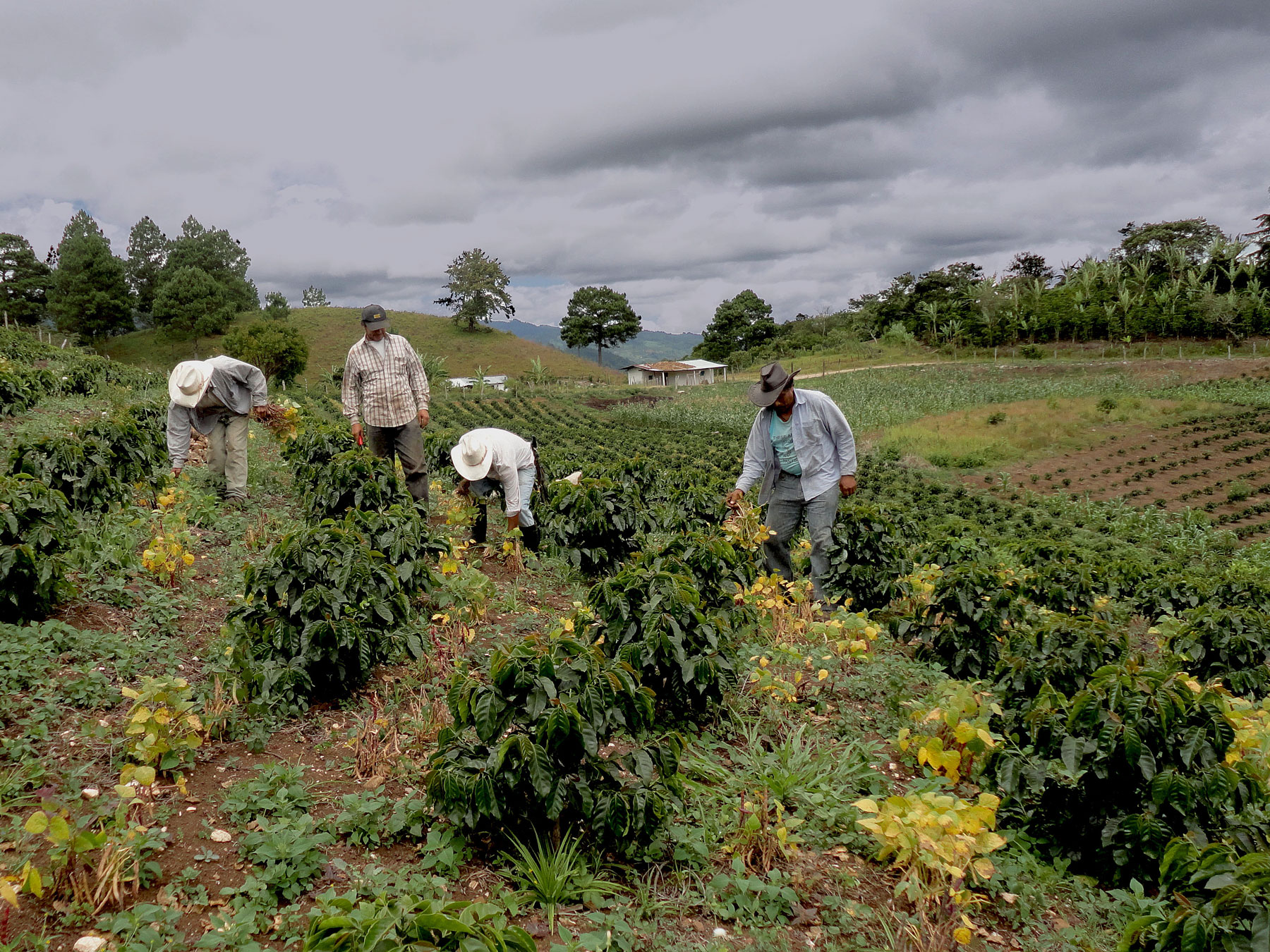
The most striking characteristic of the modern coffee industry in Honduras is that the country has the highest per capita coffee production in the world. Statistics indicate a significant increase in the total harvest of Arabica, reaching 4 - 5 million sacks per year (depending on weather conditions up to 6 million). The country ranks seventh in the world ranking of coffee producers.
It is interesting that not only the twentieth century, but also the past two decades of the twenty-first century have brought the industry significant success, coffee manufacturers have managed to realize the existing potential and aim at successful development in the future (they predict to increase the supply to 8 million bags). Both green and roasted coffee are planned to be bought from Honduras in even greater quantities in Europe and the USA.
The main quality of a local product is its "environmental friendliness", purity from chemical fertilizers. Volcanic soils are themselves very fertile. The most common botanical types of coffee trees are Bourbon, Caturra, Catuai, Typica. More than one hundred thousand farming families cultivate plantations and harvest fruits. Seasonal workers join the harvest in November and April.
Coffee regions of Honduras
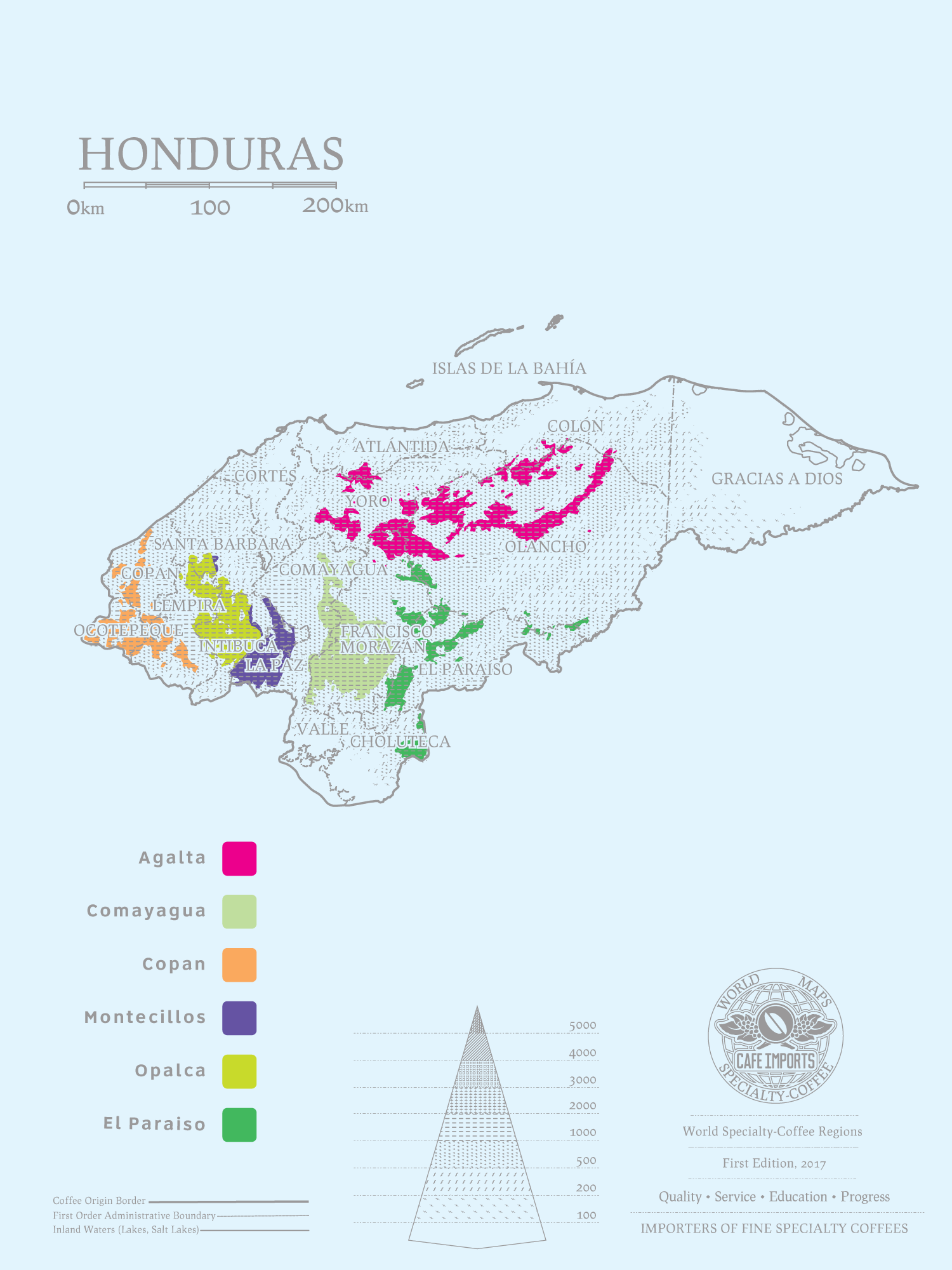
Six regions of the country produce coffee:
- Copan,
- Montesillos,
- Agalta,
- Opalak,
- Comayagua,
- El Paraiso
They have some individual characteristics. For example, plantations are at different heights. The highest - up to 1950 m - are in Agalta and El Paraiso. The harvesting dates vary somewhat - November, March (February) or December, April. Sometimes in the province there is a special variety: "Pacas" is grown in Montesillos.
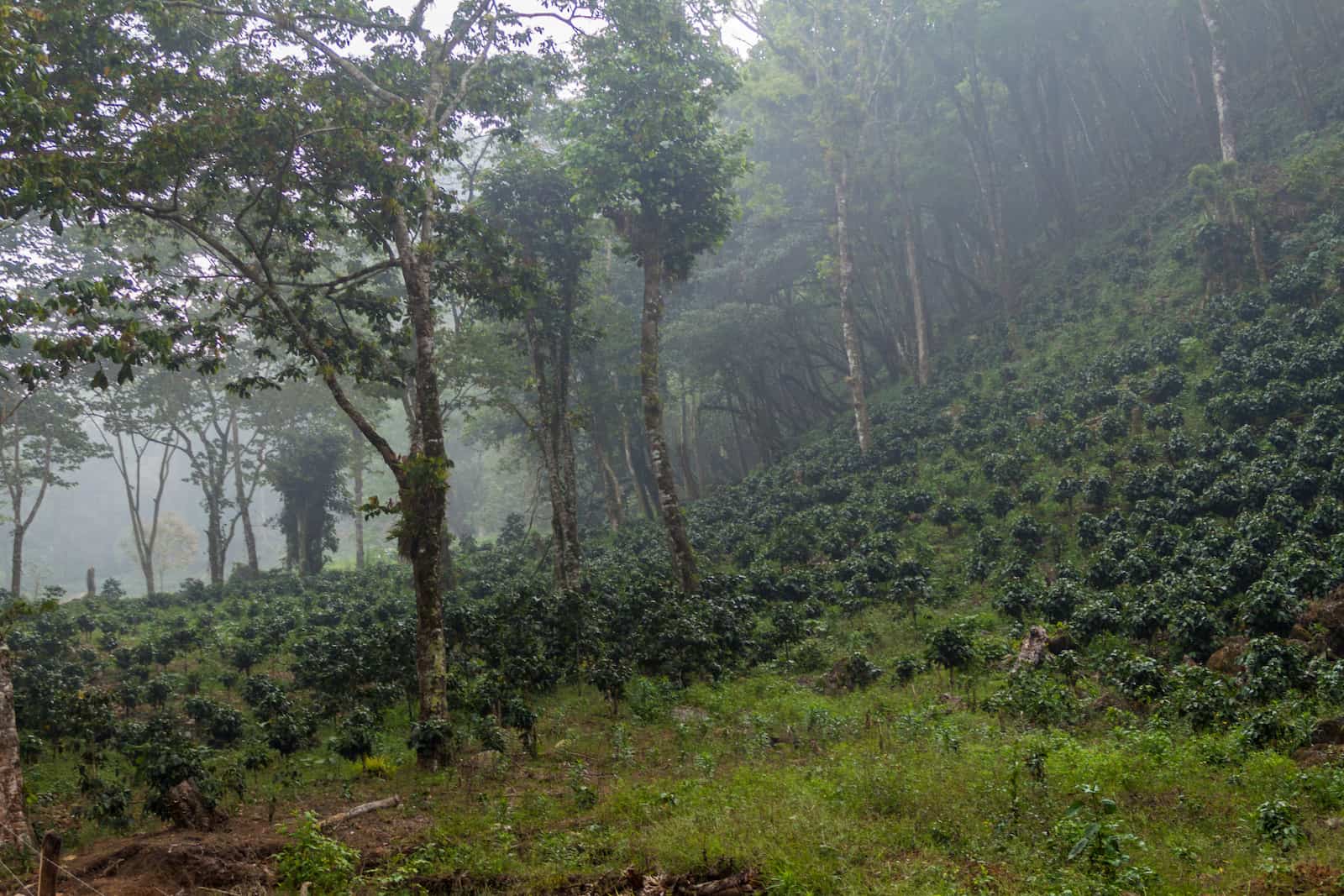
To characterize the quality of the final product, the height of coffee plantations is significant: in Honduras, products obtained at an altitude of less than 1200 m, from 1200 m to 1350 m and above 1350 m are subdivided. The labeling of the beans indicates the most significant characteristics: mainly the country of origin, the degree of roast and confirmation of quality (which is quite satisfactory for those who are going to buy or sell coffee in large volumes).
If not for the hurricanes
The country has ideal conditions for coffee plantations: fertile volcanic soils at significant altitudes (above 1000 m above sea level), a wonderful microclimate, natural forest shade of plantations or their combination with banana plantations.
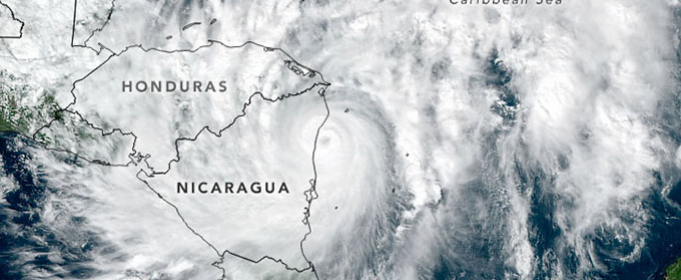
Droughts and hurricanes hit farmers severely. So, in 1998, 80% of farmland was destroyed. In 2020, hurricanes Iota and Eta also brought many disasters. Several hundred thousand bags of coffee beans (each 60 kg) were missing. And these are not all problems. For manufacturers, a big shock is the destruction of infrastructure: roads and bridges were damaged in 14 provinces (more than a hundred municipalities). The crop cannot be harvested or realized.
Coffee manufacturers depend on the government's efforts to develop transport communications and to quickly repair damaged roads. The government regulates this area with taxes on coffee exports, redirecting finances to building new roads and maintaining old ones. The Honduran Coffee Institute is committed to overcoming many challenges, including the aftermath of hurricanes.
Institute of coffee
This organization was able to propose a number of important reforms to producers that dealt with various aspects of the coffee industry. Entering specialized markets where you can buy specialty coffee from Honduras is a significant leap for the country. It is very important to help farms in creating nurseries and greenhouses, as well as organizing the fight against plant diseases and pests. In 2011, coffee trees underwent "rust": the peasants had to heal fruit-bearing trees or create new plantings. Drying coffee in a humid climate has its own characteristics, and additional equipment is required to avoid fermentation of fruits during the rainy season. Financial support is provided - available loans for the purchase of the necessary agricultural equipment.
The training of the younger generation of farmers has given a number of advantages to Honduran growers: quality control of coffee beans is fully available on many plantations. The development of cupping is of great importance: this is how they call professional tasting of the brewed drink, a competent assessment of its taste and aroma. This is a rather complicated and interesting process, which takes into account all the details of a multi-stage system.
The result of this economic policy was the "rejuvenation" of the industry, the averagecoffee producers in Honduras are not increasing, but rather decreasing.
Coffee culture
Like residents of other Latin American countries, Hondurans make coffee at home and drink at breakfast. The taste of local Arabica varies, but it is mainly dominated by fruity and citrus notes, a sweetish taste, sometimes with sourness, softness and balance. Depending on the growth zone, nuances appear that give the coffee of each region its own characteristics. Honduran coffee is brewed in the traditional way: in a Turk, in a coffee maker, in a car. Additional ingredients are also well known and loved in different countries: ice cream, milk, cinnamon, etc.
Buying high quality coffee from distant countries and regions is a special advantage of our days. Not only professional baristas, but also drink lovers are interested in trying and comparing the taste of a cup of coffee grown in a particular coffee country. It remains to choose an attractive sample from the catalog of the coffeeynya.ua and add it to the basket.









-400x300.jpg "Coffee Industry: Cuba")