COFFEE
 TEA
TEA CAPPUCCINO AND HOT CHOCOLATE
 SWEETS
 SYRUPS
 TABLEWARE
 RELATED PRODUCTS
 GIFTS AND SOUVENIRS
On the rich soils of Cameroon, Arabica, Robusta and another variety of coffee trees, the so-called "Cameroon coffee", grow. The state is fighting hard to increase coffee production: in the last decade, special government programs have been developed to increase domestic demand for the product and to intensify export trade.

Three varieties
Not every country with a developed coffee industry can boast of three types of coffee tree at once. The fruits of the rare plant "Cameroon coffee" are deprived of caffeine, they became interested in it not so long ago, and it has not yet received special industrial significance. But Robusta and Arabica from Cameroon have many fans in America, Europe and Asia. The country expects to expand the sales market in neighboring African states. In recent years, Cameroon has been the seventh largest coffee producer in Africa.
Exports amounted to about 35 thousand tons in 2019. However, these are not the 156 thousand tons of exports that allowed Cameroon in 1990 to rise to a very high mark in the world ranking - then it took 12th place.
Robusta Cameroon is praised for its soft and deep taste, which differs from robusta in other countries. It is grown in coastal regions. It accounts for about 70% of the export of coffee beans. Cameroon robusta is of interest to the consumer even in its pure form, although its high quality is manifested in the mixture.
Arabica is about a third of the beans sold abroad. It grows high in the mountains, on the Bamaun and Bamileke plateaus. This fine Arabica is often blended with other varieties to create stronger blends.
The total planting area is about 150 thousand hectares. There are about half a million farmers - owners of plots. The plots are small, mostly less than 3 hectares. The successful development of the industry, according to experts, will depend on many components: from rejuvenation of plantations to a high price for the final product.
A cup for an official
Locals traditionally preferred tea, black and green, or instant coffee. Domestic consumption has always been ten times less than products exported. But the national strategy is not a trifle: the country has seriously decided to develop a culture of drinking coffee.
Cameroon government officials were urged in 2016 to drink locally sourced coffee every day. According to statistics, there are at least 265 thousand people engaged in administrative activities in the country. This attitude towards their own product deserves respect: why shouldn't the Cameroonians themselves buy coffee, which is highly regarded all over the world?
Interestingly, there are several organizations supporting the coffee industry in Cameroon, from ministries and institutions to the Interprofessional Council for Cocoa, Coffee and Farmer Communities. Special events should increase interest in the industry: for example, the International Cameroon Coffee Festival (Festicoffee), Tasting Day. Several large exporting companies are successfully operating in the country. For the development of the industry, export duties have increased significantly. Although mainly coffee beans are supplied abroad, part of the product is processed domestically: there is the necessary equipment not only for washing, but also for roasting.
Curious facts
Cameroon's coffee industry is said to have been in its infancy for nearly five centuries: the first coffee trees introduced by the Portuguese in the late 15th century were of little interest.
German colonialists started breeding coffee at the end of the 19th century: they set up plantations near the cities of Victoria, Nkongsamba, Ebolowa and Dshang. Only in the 1920s did the coffee business bring commercial income.
Cameroon is an agricultural country, most of the people work in the agricultural sector. Coffee cultivation and other coffee-related operations employ approximately three million people.
Cameroon joined international programs: "Specialty Coffee" - high-class Arabica production and "Fair Trade" - fair price for premium coffee. During the period of decline in coffee production, experts from Brazil were invited to help develop the industry.
Robusta replaced Arabica in Cameroon not because of its unique taste, but because of its resistance to plant diseases. According to some reports, the production of Arabica is still declining, although the cultivated varieties are very good in their taste characteristics.
A rare variety grows in Cameroon - "pibbury", a coffee fruit with not two beans, but one. This mutation affects the final taste of the finished beverage. According to experts, mainly due to the peculiarities of roasting. It is appreciated for its bright acidity, sweetness, complex and concentrated aromas.
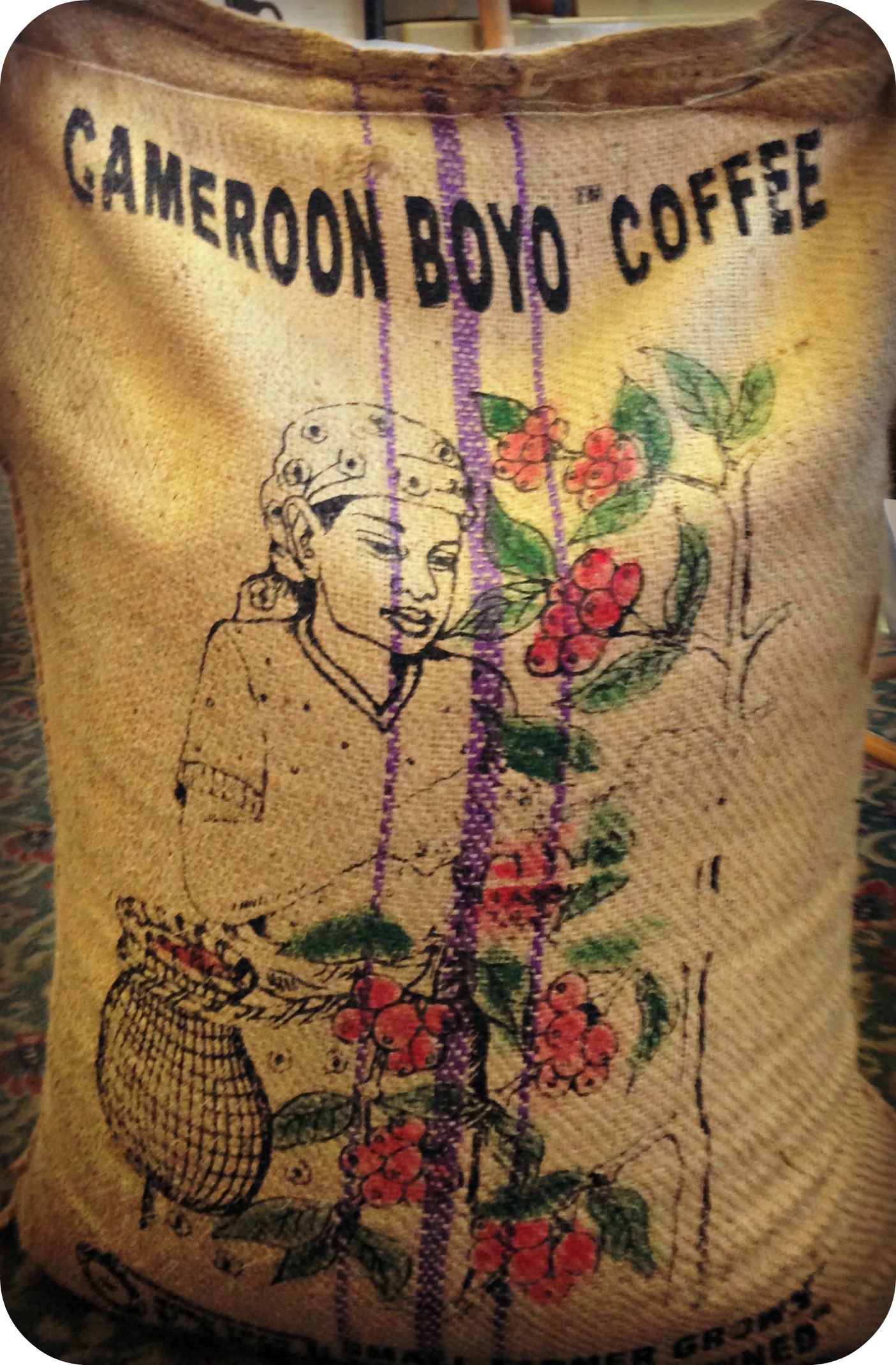
The Boyo coffee in Cameroon is legendary. Young coffee enthusiasts have come together to promote a unique product grown in the Bojo region of the Northwest Province. The fruits themselves, due to the special microclimate of the region, gain an optimal sugar content. As a result, the drink, brewed from the grains of the area, is characterized by tasters.coziness as balanced, full-bodied, with hints of chocolate, caramel and fruit. The Cameroon Boyo team is an example of professionalism. Local farmers' cooperation is based on the need for a fair price for a quality product. They work in two directions: they cultivate, process, wash and sort the fruits, and also go out to reliable and promising exporters of their organic goods.
Traveling through the Earth's coffee belt
Coffeeynya.ua invites avid coffee lovers and novice tasters to choose coffee varieties that will bring them true joy. Well-known producers select the best varieties of Arabica and Robusta for the consumer to buy coffee grown in Latin American, African and Asian countries. With them it is easy to master the coffee belt - tropical and subtropical, volcanic and alpine, full of mysteries, bright tastes and aromas.








-400x300.jpg "Coffee Industry: Cuba")