COFFEE
 TEA
TEA CAPPUCCINO AND HOT CHOCOLATE
 SWEETS
 SYRUPS
 TABLEWARE
 RELATED PRODUCTS
 GIFTS AND SOUVENIRS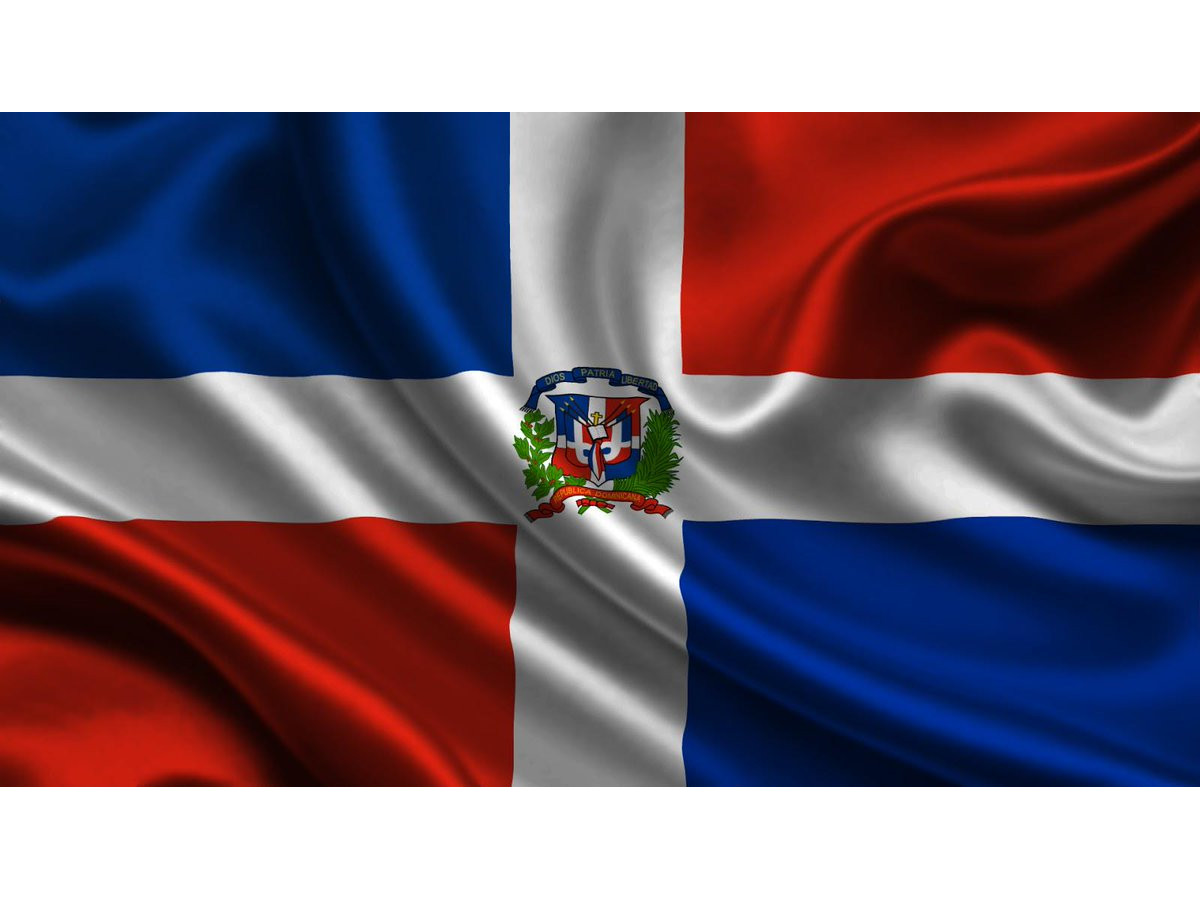
The Dominican Republic is a mountainous country, its climatic conditions and soils are ideal for growing coffee. Arabica is mainly produced here. And a little robusta for the domestic market. A daily cup of coffee (and more than one!) Is popular with the local population, as well as throughout Hispanic America. In addition, Dominican coffee is an export commodity that has long earned worldwide recognition.
Dominican Arabica
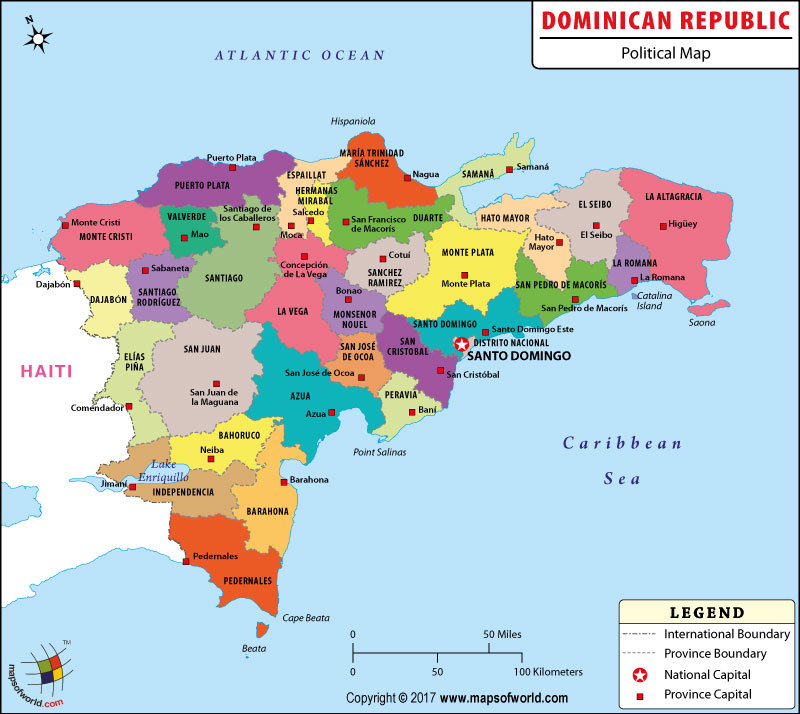
The coffee trees imported by the Spaniards have perfectly taken root on the island of Haiti in the Caribbean Sea: its eastern part is occupied by the Dominican Republic. The Cibao Valley, Barahona, Baoruko, Asua and Moka provinces are home to excellent quality coffee farms. Arabica plantations are located at significant heights: up to 1500 meters above sea level. Depending on the region, the altitude and harvest time may differ, but this does not affect the high reputation of the grain obtained.
Arabica plantings are mostly located in the shade of taller trees, protection from intense sunlight is a prerequisite for its growth. The typica subspecies provides over 90 percent of the Dominican coffee beans. From each mature tree, approximately 2 kilograms of finished product are obtained. The average yield per hectare is 1.5 tons.
Much has been improved in agricultural technology today, but quality coffee can still only be obtained by hand harvesting. At this stage, it is important to collect only ripe berries. Water helps to sort and process the fruits. On farms, the fruits are peeled and sometimes fried. The dry, finished grain is further sorted by size. Fermentation and drying are laborious and time-consuming processes that require knowledge and skills. Thousands of farming families and small cooperatives are employed in this agricultural sector.
Dominican Republic coffee is certified as a natural product grown without chemical fertilizers and pesticides. Another plus of mountain plantations is clean air and water, not polluted by industrial waste. The ideology of "organic coffee" is recognized by the Dominicans as fair in relation to their products, it allows you to get an increased price for a quality product. Traditional methods of cultivating the land in the 21st century have received well-deserved respect from true connoisseurs of coffee. It is more difficult for peasants to work with plants without chemicals, but their work gets a worthy appreciation.
Coffee culture
The cultivation of coffee trees began in the Dominican Republic at the beginning of the 18th century, and in the second half of the 19th century coffee became an export commodity. By the beginning of the 20th century, supplies abroad had become significant, reaching almost 2 thousand tons per year. By our time, this figure has grown to 10 thousand tons. The fall in world coffee prices (as well as their growth) affected the Dominican Republic, but the government has repeatedly managed to avoid a complete abandonment of the industry in anticipation of a recovery in demand. There is an association in the country whose task is to develop the coffee industry and test the taste and aroma of products.
Love for coffee is a characteristic feature of the Dominicans. Tea is not in demand in the country. A strong drink prepared in a geyser coffee maker is drunk by locals with sugar at any time of the day. Sometimes milk, nutmeg, rum are added, and coffee is also used when making cocktails. The availability of quality coffee for all segments of the population is a distinctive feature of this state. According to statistics, Dominicans drink much more cups of real coffee per day than, say, the British.
The flavor palette of various varieties of Dominican Arabica is very diverse. They find the smell of roses and fruits, the taste of berries and prunes. Tasters can taste grape, peppery, sweet notes in famous local brands. Thus, Aroma coffee has a delicate fruity aroma and a sweet chocolate hue.
Coffee is a reliable gift
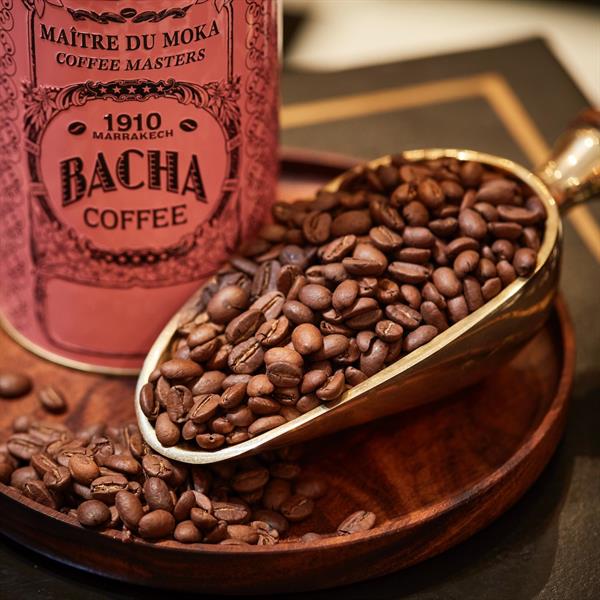
The modern tourism industry allows you to get acquainted with the traditional coffee farm, its unique landscape and also buy the best varieties of coffee. Tasting is provided in the coffee shops of the Dominican Republic, which allows tourists to choose their favorite aroma and taste. Local products are widely available in hotels and resorts.
From trips to distant tropical and subtropical countries where coffee trees grow, tourists often bring packages with branded coffee beans or ground coffee as gifts. When visiting the Dominican Republic, you probably won't find a better souvenir. There are brands of coffee that have long established themselves: for example, Santo Domingo and Induban. There is a brand with a fine grind (not to be confused with instant!), Which allows you to quickly brew coffee in a cup: this is Monte Rial. The most expensive and high-quality varieties include Don Justino, Don Rogerio, Blend Monte Alto.
The variety of brands and varieties allows you to get real pleasure from a daily cup of drink and from tasting new varieties. The coffeeynya.ua will always help the customer with this. A large selection allows you to find a variety for every day, buy coffee and tea for a special event, as well as as a gift for friends and family.






-400x300.jpg "Coffee Industry: Cuba")