COFFEE
 TEA
TEA CAPPUCCINO AND HOT CHOCOLATE
 SWEETS
 SYRUPS
 TABLEWARE
 RELATED PRODUCTS
 GIFTS AND SOUVENIRS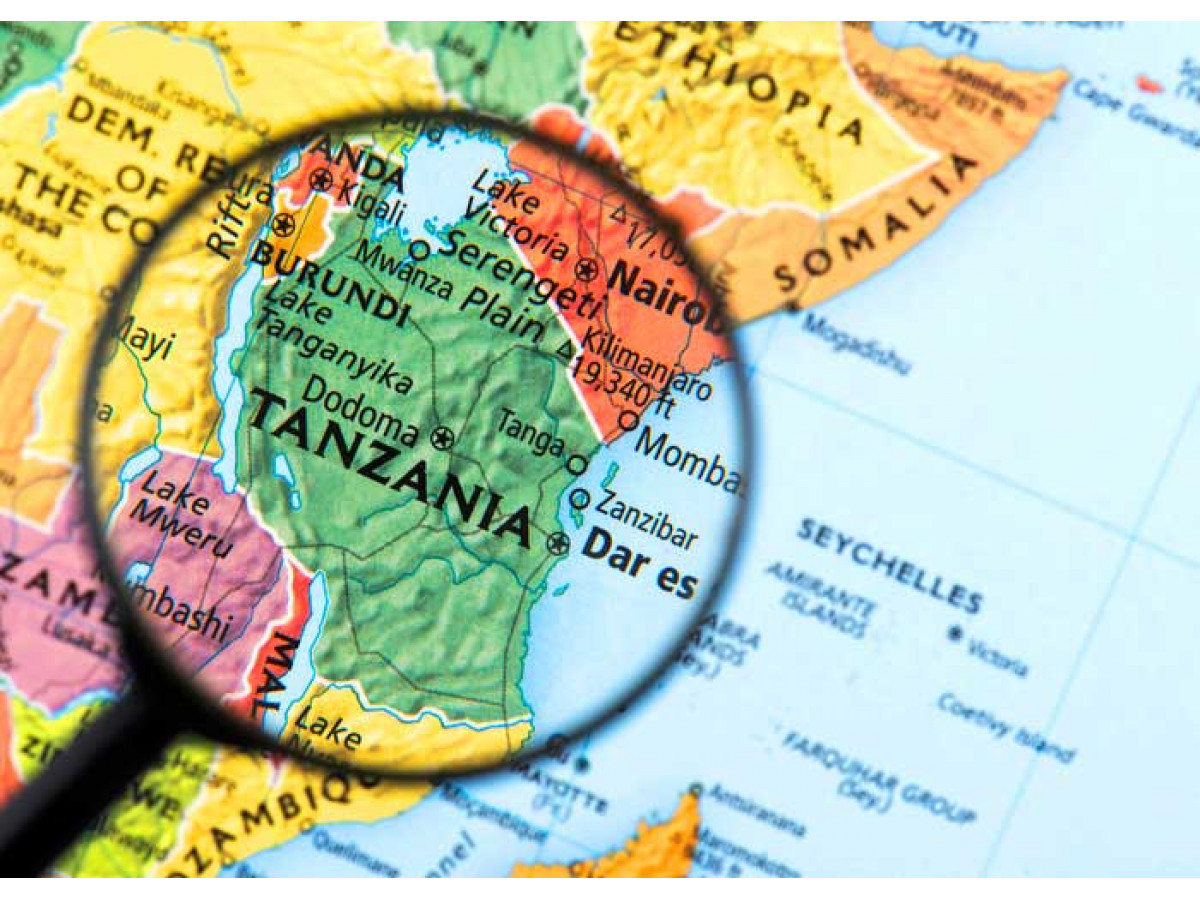
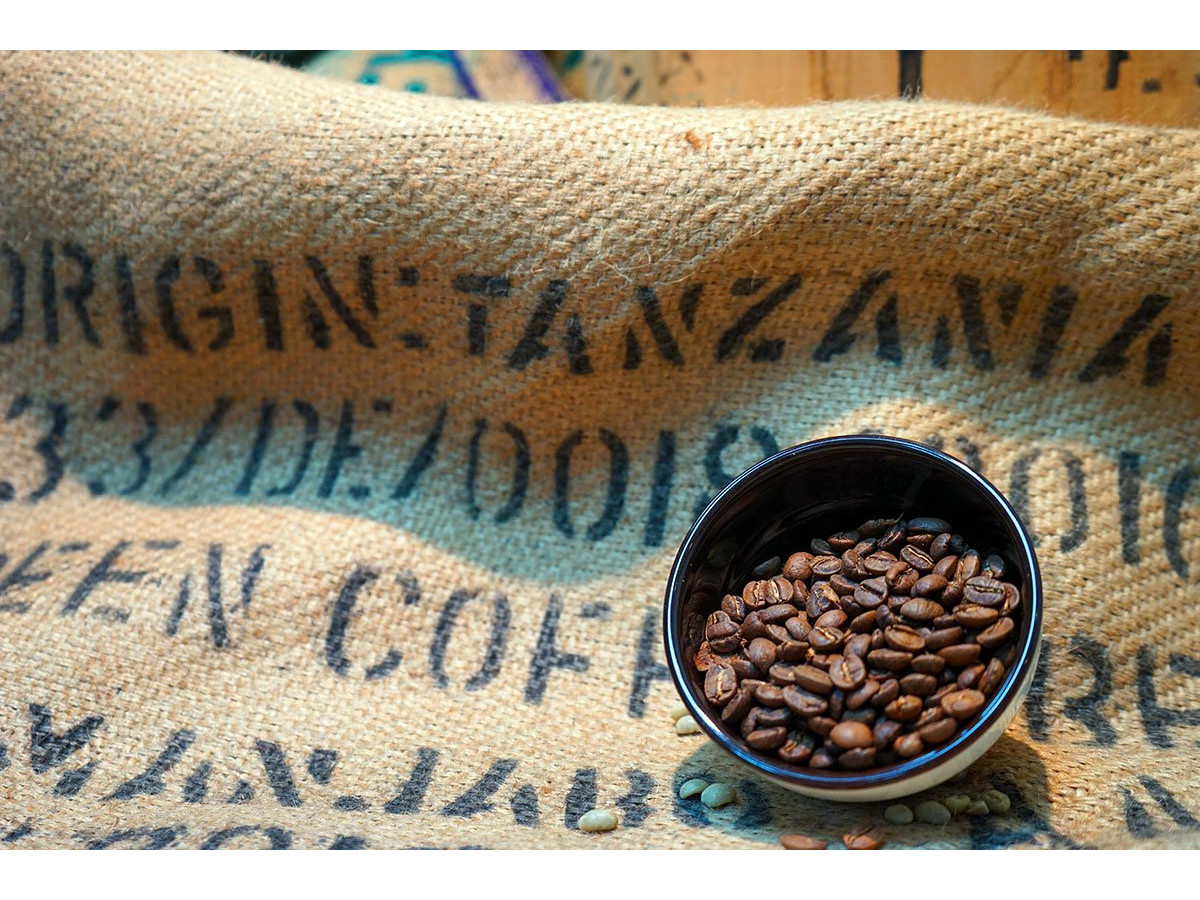
On average, about 40 tons of coffee beans are obtained in Tanzania, sending almost all of the crop for export. Two-thirds of Tanzanian coffee is arabica. The third is robusta. Exotic, from the point of view of Europeans, the country has come a long way in the development of this culture - from the "wild" use of robusta (it was used in a special way) to the standardization of the product and sale on the stock exchange. More than 2 million Tanzanians are involved in the coffee industry these days.
Coffee is the currency

Once upon a time in one of the tribes of Tanzania, coffee beans were brewed and chewed. People understood the stimulating power of the plant. Another aspect was clear for the local leaders: these grains are valued as a commodity for exchange.
Tanzanian agriculture was greatly influenced by German and English colonization, although it was not easy to overcome the established traditions. At the end of the 19th century, the Germans began to grow a new Arabica variety for the country. Despite some opposition, several tribes began to cultivate it.
And after the First World War, thanks to the British, land legislation was reformed, new infrastructure appeared. And the breeding of coffee has become more intense. In 1925, the first Kilimanjaro Planters' Association was formed to optimize prices.
Various socio-economic experiments have contributed to the growth of production and sales, then led to their decline. In 2018, the government required the sale of coffee only through an auction, banning direct purchases from farmers. In 2019, about 50 thousand tons were sold.
Now coffee is grown by almost 300 thousand people: mainly in small land holdings. Only 10% are large plantations. For local tribes, coffee is indeed the currency. The product is too expensive for the population, although the domestic consumption of coffee is gradually increasing year after year. Just like truffles in France, coffee in Tanzania is mainly of interest to farmers as a commodity. They try not to lose a single grain here. The coffee industry brings in over $ 100 million in a bumper year.
Coffee regions

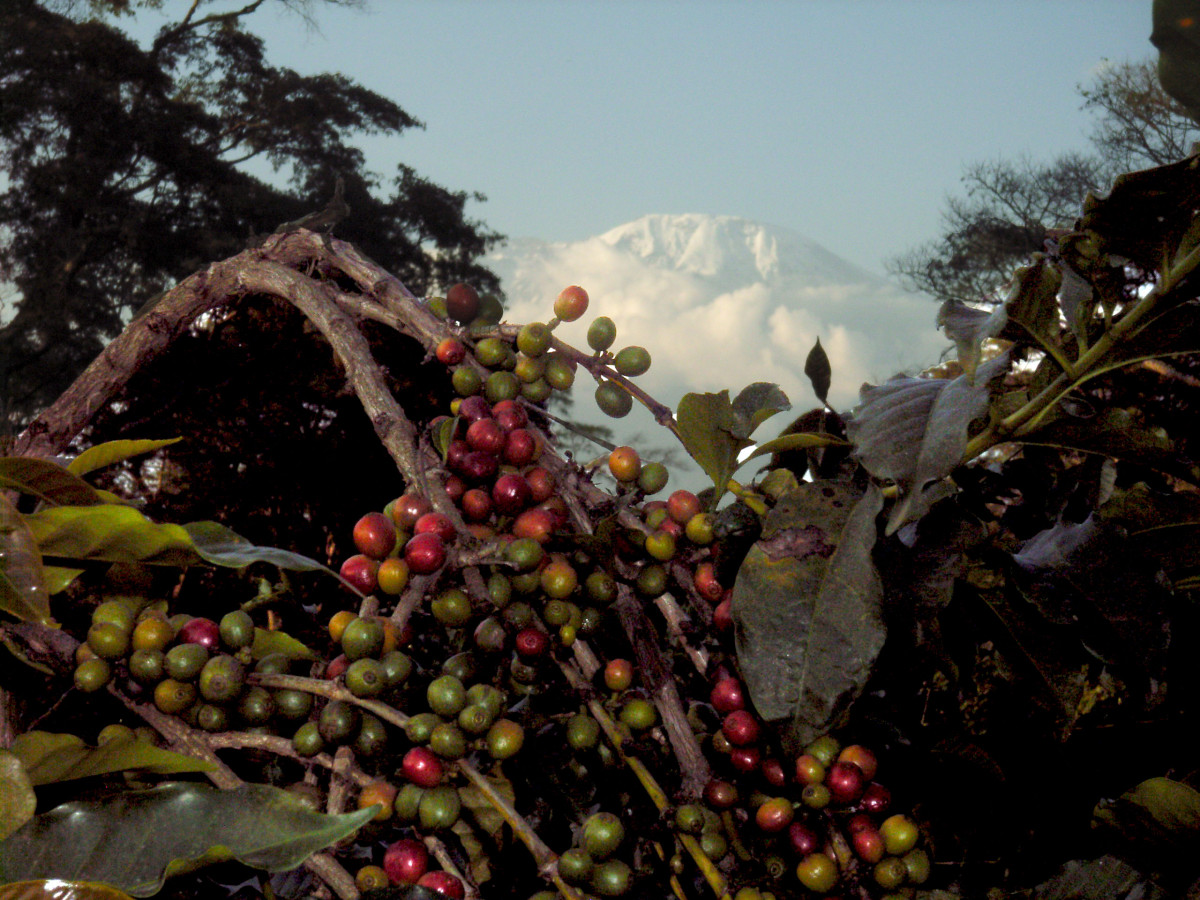
The fruits are harvested from October to February. The subequatorial climate of these places is great for coffee trees. Robusta grows in the Bukoba (Kagera) region. There are nine regions where Arabica is grown. Among them:
- Iringa;
- Kigoma;
- Mbeya;
- Morogoro;
- Ngara.
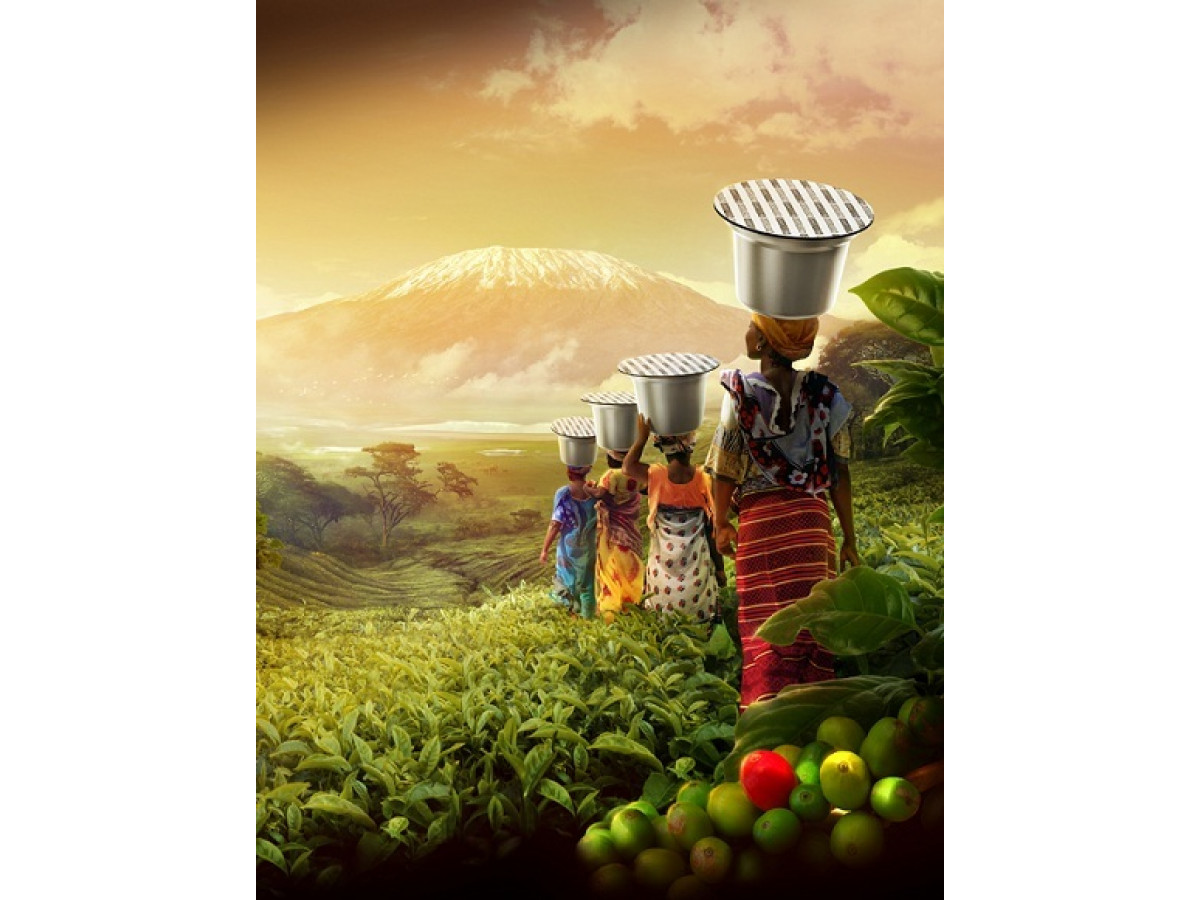
The best varieties include Arabica grown in North Kilimanjaro. The hillsides of Usambara and Matengo are also adapted for coffee cultivation. Large estates are located in the southern part of the country - in the Mbinga region. When the sun is too intense, the plantations protect the broad leaves of the banana plantations. And the new seedlings are a special awning.
Grain classes
Grain classification is determined by size, shape and even density. There are eleven classes of Tanzanian coffee beans. The most significant categories:
- AA - standard coarse grain.
- A - large;
- B - slightly less;
- C - smaller than large;
- E - extra large.
One of the most curious is the PB variety. This is Pibbury. The "bone" of the fruit resembles a cherry, it is one grain, not two, as is usually the case. Peaberry is exported to the USA.
Tanzanian Arabica is categorized by size for proper roasting. The taste of the cup is especially appreciated by the tasters. For example, the Italian manufacturer describes Lavazza Tanzania arabica as aromatic, full-bodied, with a deep aftertaste.
Which coffee is cheaper
The price for the main classes does not differ much, only the AA and AB options are slightly more expensive. Below is the price for unwashed Arabica (there are not so many of them) and categories F, AF, TT, UG, TEX.
Robusta is much cheaper - twice. The auction features several categories of this coffee. Robusta 18 has the highest cost.
Sale of coffee from Tanzania at the auction takes place during the harvest season weekly on Thursdays in Moshi (Kilimanjaro region). The Coffee Exchange helps licensed traders purchase any quantity of a product, without any volume restrictions. It is fried and packaged mainly by foreign market participants.

Brand development
It is not easy for Tanzania to compete with other producers: most of the Tanzanian coffee beans are mixed with brands from other countries. As a result, the importing countries are responsible for branding. Only a few of them mention the country of origin.
However, Japan, which is the leading importer of Tanzanian products, has the Kilimanjaro Coffee brand. At the same time, the production area is not precisely indicated. Even the presence of a third of the grains from Tanzania allows the product to receive this marking in the Japanese market.
Several more countries are interested in the supply of coffee from Tanzania - the USA, Italy and Germany. By the way, the Italian brand "Lavazza Tanzania" pays tribute to the country where the product was assembled. Pibbury coffee sold in the United States is also described as Tanzanian.
Agrarian culture
One of the major problems affecting exports is coffee tree disease. It appeared at the end of the 20th century. Decrease in production due towithering of plants, has led to the need to research and optimize agriculture.
In 2000, the government and the coffee industry established the Tanzanian Coffee Institute. Farmers get access to the achievements of research activities: without new technologies, there is no practical success. It was necessary to improve the agricultural skills of farmers and rejuvenate the plantations. And yet, according to experts, Tanzanian coffee is still grown without chemicals.













-400x300.jpg "Coffee Industry: Cuba")