COFFEE
 TEA
TEA CAPPUCCINO AND HOT CHOCOLATE
 SWEETS
 SYRUPS
 TABLEWARE
 RELATED PRODUCTS
 GIFTS AND SOUVENIRS
Costa Rica invariably maintains the status of a world-renowned coffee power, although coffee production in different years either falls or grows. 90 thousand tons sold in 2019 is not the highest harvest. Nevertheless, during this period coffee accounted for 2.5% of the country's exports and brought in USD 280 million.
Coffee culture is an essential part of the country's life, including local consumption of the drink, festivals, holidays, tourism and, of course, the recognition of Costa Rican coffee abroad.
The once excellent coffee from Costa Rica did not have its own brand: it was not identified with the country of origin until about the middle of the 19th century, although it began to be grown in 1779. And only decisive action helped Costa Ricans gain recognition in Europe and the United States.
Now even separate areas have their own advertising opportunities. For farmers, this is a matter of honor, for consumers - indications of the regional characteristics of their favorite drink, which help to choose and buy coffee with certain characteristics.
Coffee regions

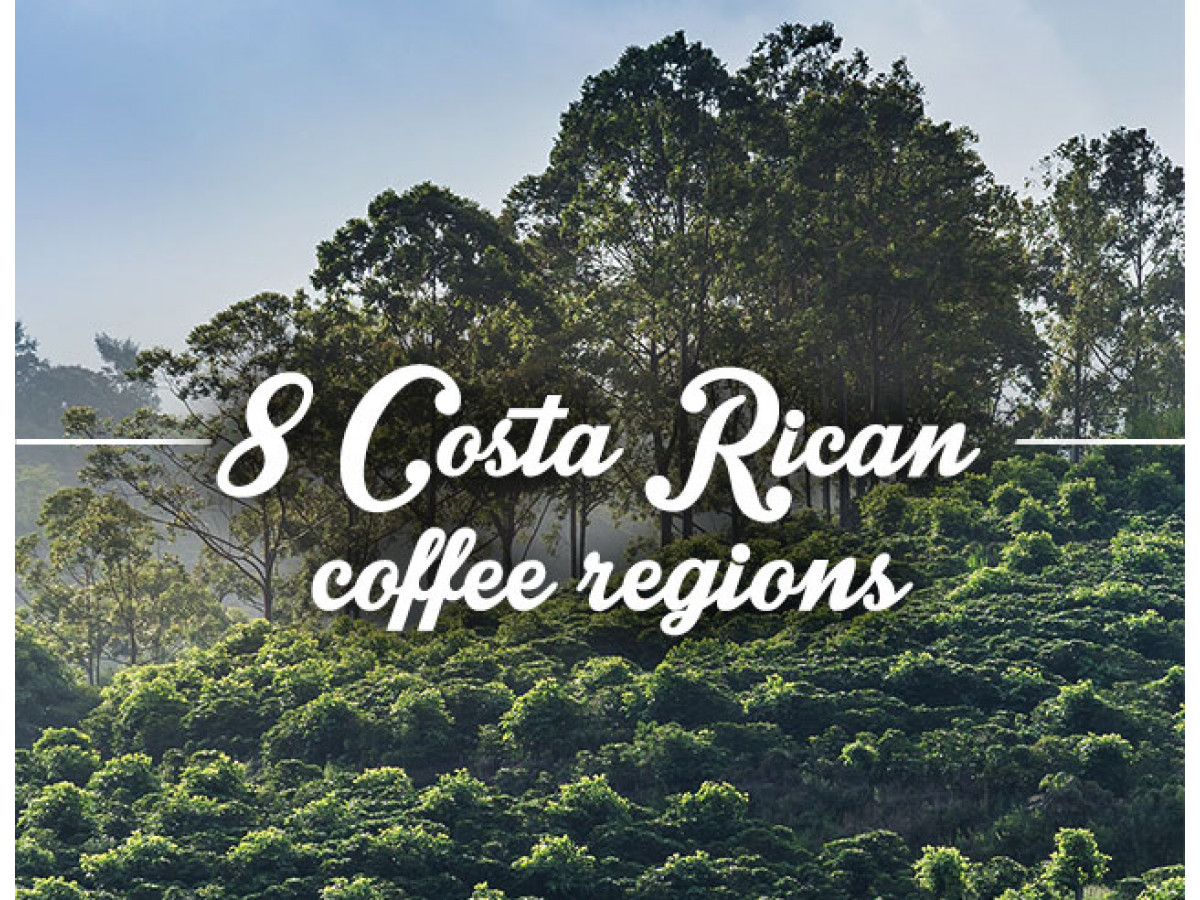
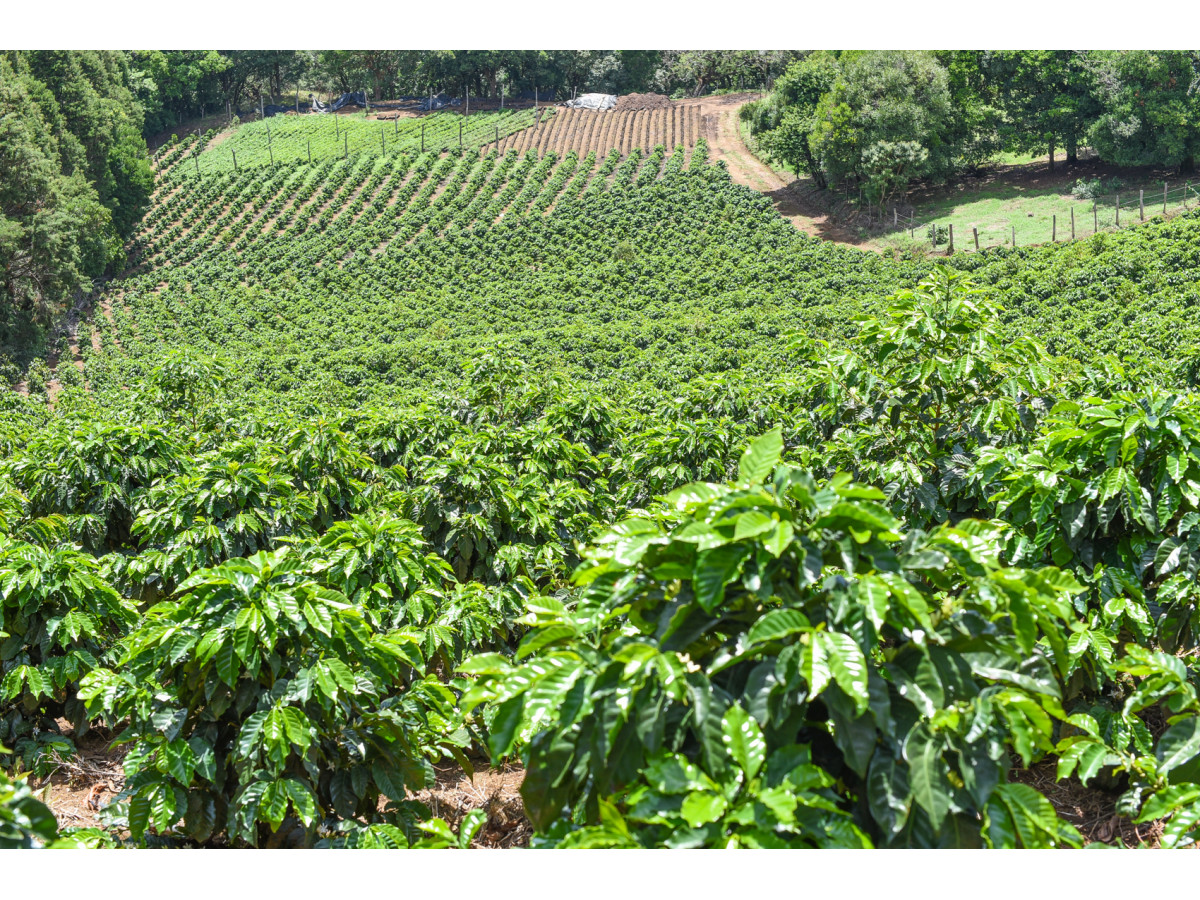
There are eight regions supplying coffee from Costa Rica. Each has its own slogan, reflecting the specifics of the place. Each has its own interesting history, geographic and climatic nuances. A cup of coffee will reflect everything from the height of the plantations. It is believed that between 1200 m and 1700 m is the best place for quality varieties.
Tarrazu
It is no coincidence that this canton was first mentioned when describing the Costa Rican coffee industry, although it was only from the middle of the 19th century that the protected forests of the region became a refuge for migrants who planted coffee trees on the slopes of the mountains.
What is the local coffee famous for? Arabica of the Strictly Hard Bean (SHB) category has a special grain density, as well as an expressive taste and bright aroma of the drink. The scent of the cup ranges from sweet honey to exotic floral, jasmine. The taste includes notes of chocolate, citrus, vanilla and even dry fruits. Excellent reputation with many varieties from this region.
"Perfection under the auspices of the Saints" is not only the slogan of the farmers of Tarrasu, but also a reference to the geography of the place: most of the settlements have the names of Christian saints. Now 22 thousand hectares have been allotted for planting at an altitude of 1200 m to 1900 m. The harvest reaches 65 thousand tons - at least a third of the total harvest in Costa Rica. The regular change of seasons allows the grains to ripen evenly, and then they are dried naturally - under the sun. The soils of the region and the location of plantations under the shade of other trees are considered ideal.
Valle Occidental
The words “Blessing of Microclimates” reflect the real situation in the region. The weather here is considered pleasant in both rainy and dry seasons. It is important for farmers that the climate is conducive to harvesting a significant harvest - up to 6 thousand tons of the best categories of coffee beans:
- Hard Bean (HB);
- Good Hard Bean (GHB)
- Strictly Hard Bean (SHB).
Tasters find a rich range of scents: chocolate, citrus, peach and honey notes.
More than 20 thousand hectares on mountain slopes with volcanic rocks are allocated for plantations. The production is distinguished by a high level of agriculture, efficient collection and processing of coffee beans.
Tres Rios
The great slogan of local producers is “Magic for gourmets”. The very name of the region is also poetic: in translation - "Three rivers". For almost two hundred years a wonderful harvest has been gathered here. The terrain is fairly homogeneous in soil composition and climatic conditions. Volcanic rocks have mineral components and an organic texture, ideal for planting: they provide excellent moisture and ventilation.
The grain obtained here is characterized by physical hardness, density and has a Strictly Hard Bean (SHB) central grade. The balance of sourness and sweet notes, richness and pleasant aftertaste are felt in a cup of drink. The best brand is Bordeaux Costa Rica.
Guanacaste
The Guanacaste region boasts a variety of temperature regimes: hot and dry climates in several provinces and the coolness of the central volcanic ridge. In hot, dry places with strong UV radiation, farmers are accustomed to growing coffee trees in the shade of fruit and exotic tropical plants. Hence the beautiful formulation to characterize the local coffee industry: "The scent of the shadow of the forest."
High temperature and humidity contribute to elongated grain formation. The products attract lovers of salty and bitter notes with a slight sourness in a rich and soft drink.
Turrialba

Turrialba is an active volcano. In the region close to it, the first plantations appeared in the thirties of the 19th century. There are peculiar soils here - a combination of rich volcanic soils with alluvial (floodplain) soils of local rivers. The area has a high annual precipitation Breeding coffee trees along with other plant species provides the necessary shade from intense sunlight.
The coffee is produced for the domestic and foreign markets. Arabica is cultivated with especially large grains. They appreciate the drinkand softness: aroma, acidity, and saturation have lightness and tenderness. The region's motto is "The Bounty of the Wet Earth."
Oroshi
Why does the consumer want to buy coffee from this region? Many people like the strong cocoa or chocolate flavor in the drink sourced from local plantations. At the same time, there is an intense aroma and noble acidity, a balance between sweetness and richness.
The Orosi area is considered rainy, with precipitation over 200 days a year. This is an ecologically friendly, protected wooded area, remote from industrial production. Fertile soils on farms located at an altitude of 1400 m have been helping farmers to harvest a decent harvest for over a century. The grains are large and uniform. The wording “Traditions on Fertile Soil” serves to promote products on the world market.
Brunca
Here coffee has been grown since the late 19th century. The height of the plantations is from 800 to 1700 meters, the total area is 12 thousand hectares. The subtle sensation of the drink is influenced by the origin of Arabica from different regions. The discerning consumer expects not standardization, but a special exquisite taste and aroma. This is exactly what the slogan of the region reflects: “Fragrant valleys and mountain ranges”.
It is pleasant to feel the aromas of the blossoming orange tree, jasmine and the soft taste of coffee from this province. The manufacturer specifically points out: complex citrus aromas prevail in the products of high-altitude plantations. The peculiarity of the Arabica of the Koto Brus Valley is determined by the fact that it is the highest and wettest region. In low places, coffee grows with a softer taste.
Central Valley

What associations does a cup of coffee from the Central Valley evoke? Aromas of chocolate, fruit, bee honey. Saturation - medium or high: depending on the height at which the crop is grown.
There are several provinces in the Central Valley: it is the most populous region of the country, and its capital is located in it. It was here that coffee plantations began in the late 18th century and the first coffee export to Panama.
More than 80% of coffee trees are grown at an altitude of 1000 to 1400 m. The change of rainy and dry seasons is favorable for them. Highlands, volcanic soils and climate give the grains a unique delicate aroma and taste. Slogan - “Two hundred years of aroma and traditions”.









-400x300.jpg "Coffee Industry: Cuba")