COFFEE
 TEA
TEA CAPPUCCINO AND HOT CHOCOLATE
 SWEETS
 SYRUPS
 TABLEWARE
 RELATED PRODUCTS
 GIFTS AND SOUVENIRS
Panama, a state in Central America, is usually associated with a canal connecting two oceans, and even with hats made of thin straw (although the birthplace of "Panama" hats is Ecuador). Few people know about the prestigious and incredibly expensive Panamanian coffee. After all, 6 thousand tons of this crop exported from the country are a drop in global consumption. But true connoisseurs are impressed not by the volumes, but by the excellent quality of local grains. A rare Arabica variety called "geisha" ("gesha") has received international recognition; this coffee beans are sold for over 2 thousand dollars per kilogram. Experts compare the luxury of the Panamanian "geisha" with the uniqueness of the best brands of French wine.
Ethiopia to Panama
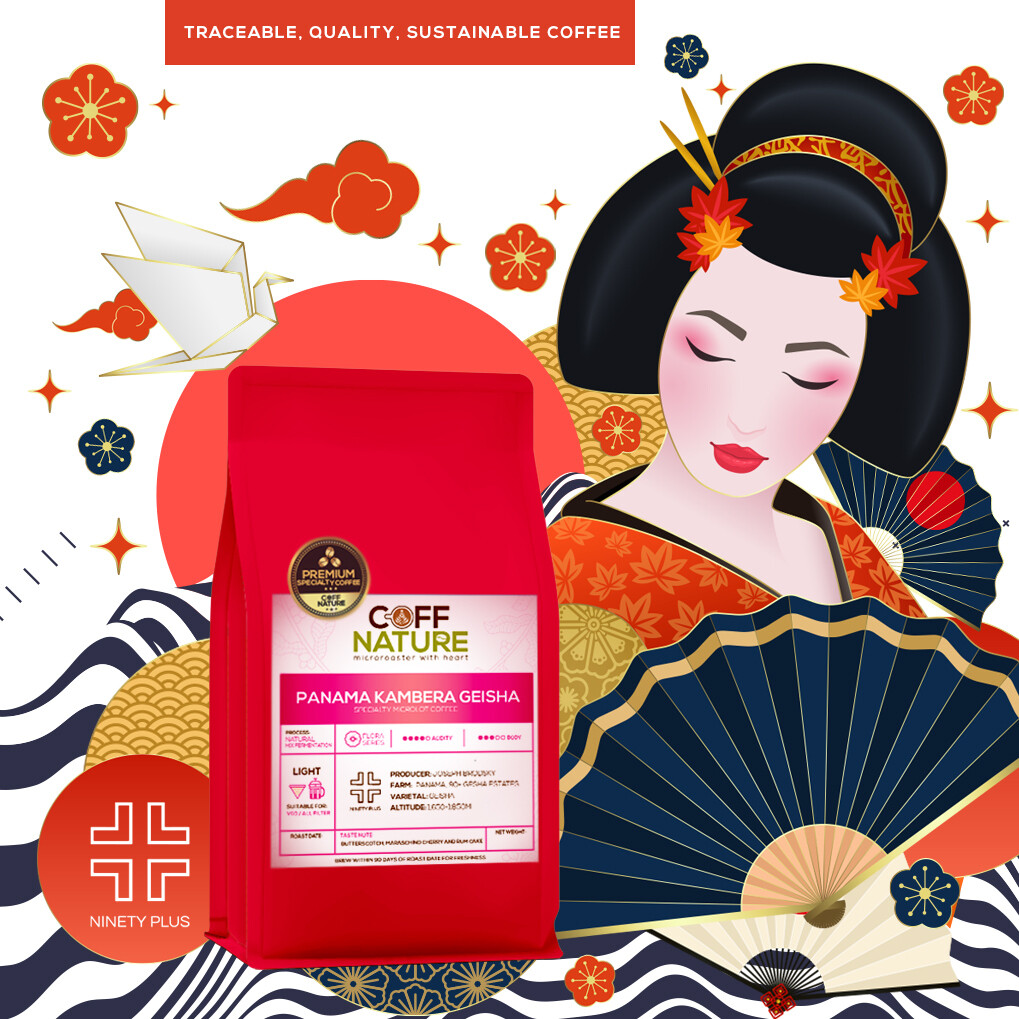
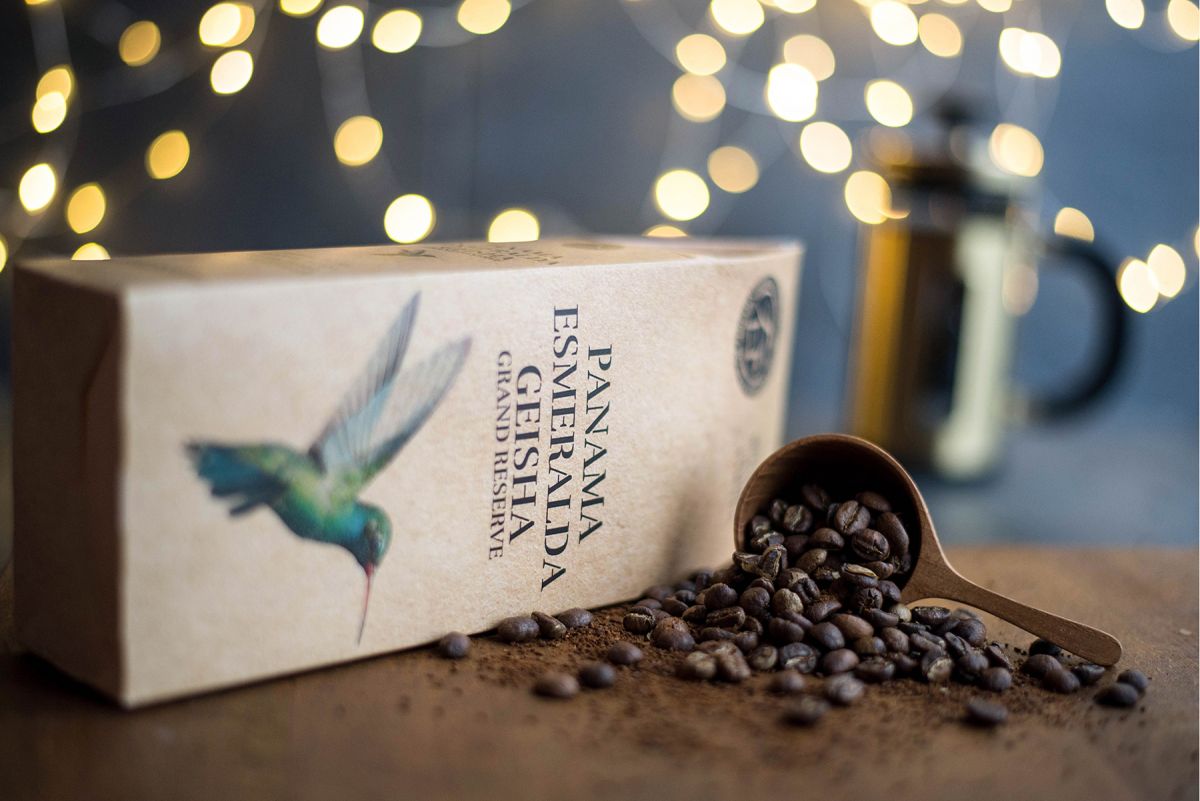
In a sense, arabica "geisha" is a fairly new variety in the history of commerce. A number of clarifications are worth making. Firstly, Ethiopia is its homeland, "gesha" - this is how this type of tree should be called. A different pronunciation, which has already become familiar, creates some confusion: not everyone will immediately understand that this is a homonym (the same sounding, but different meaning). Thus, there is not the slightest connection with the Japanese geisha in the name. Flirting with homonym, the packaging sometimes depicts a geisha from Japan. But this is just a pun.
Secondly, the cultivation of this Arabica variety began only in the 60s of the 20th century. And only at the beginning of the 21st century, he received a worthy assessment. 2004 was a landmark year in Panama's coffee history. Smells of jasmine, bergamot, shades of tropical fruits in a geisha cup captivated the professionals of the coffee world.
Where are the plantations
Various varieties of quality Arabica are grown in Panama, not just geisha. Locals love to drink "coffee": now the per capita consumption rate is several times higher than the average in other countries, where they also value an invigorating drink. In general, more than 20 thousand hectares are used for coffee, and over 80% - with arabica. The commercial cultivation of coffee trees by immigrants began relatively late in the country, only at the beginning of the 20th century, it was insignificant and did not even meet domestic demand. It is noted that in harvest years (for example, in 2013), up to 10 thousand tons were harvested, but this figure is not stable. In subsequent years, such record harvests were not observed.
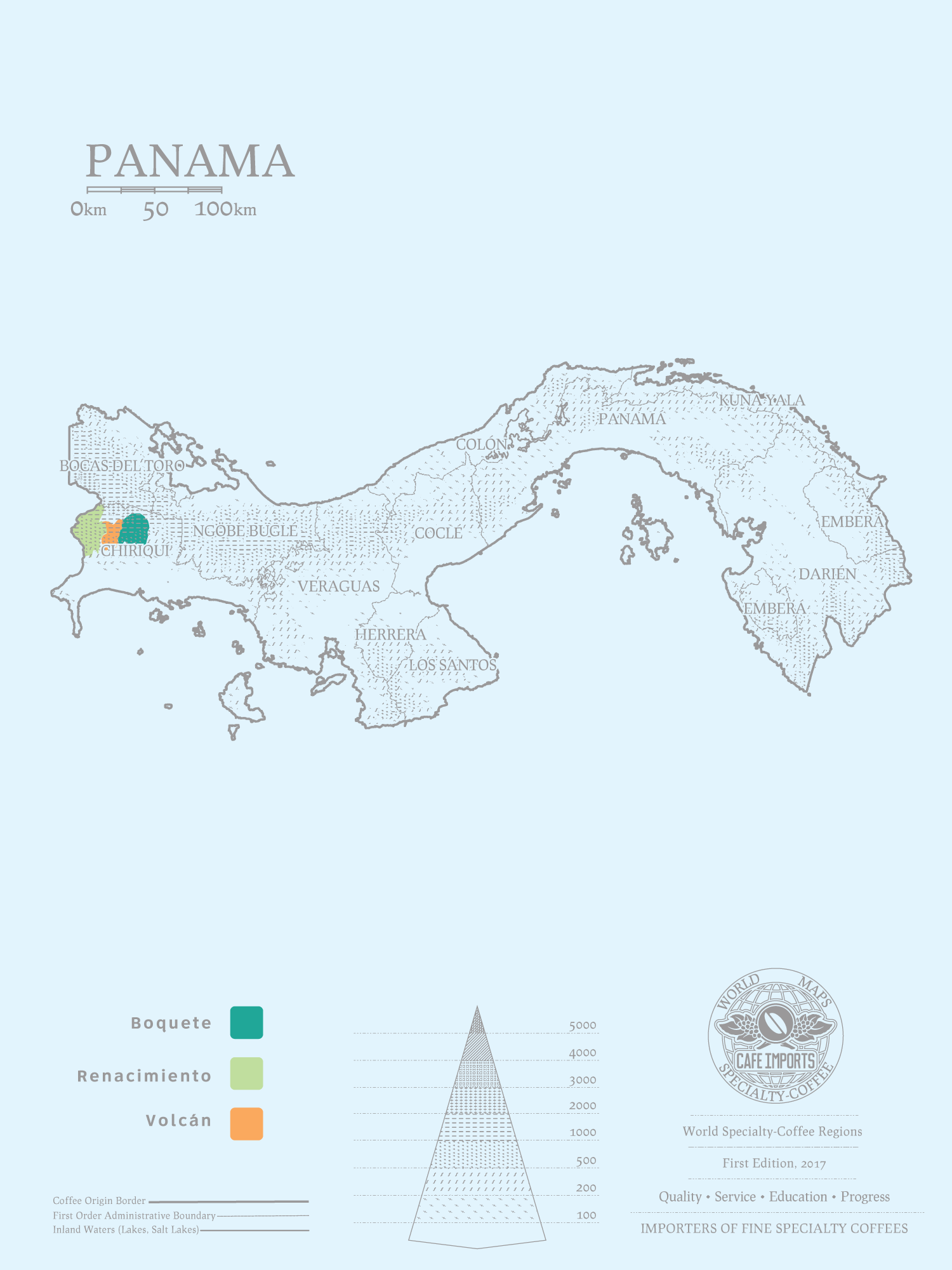
The estates where coffee trees are grown are located in the province of Chiriqui. Boquete plantations provide the lion's share of the country's coffee beans. The height of the land plots allotted for this culture reaches 1400 meters above sea level. Rich volcanic soils and a wonderful climate are decisive factors in coffee production.
Coffee production as a science and an art
The Panama coffee growing community is considered the benchmark for good mutual support and reasonable competition. But it is worth considering that local farmers also have social differences: not all are rich planters or foreign investors. For some peasants, putting them on is a way to survive, to get funds for food.
Experts are encouraged by the high level of education of Panama's coffee manufacturers. It is easier for them to resist the diseases of coffee trees by joint efforts. And there are not so few problems: insect pests, coffee rust, etc. Connoisseurs of the coffee world note that Panamanian producers understand all the peculiarities of the development of the market for the highest quality coffee - Specialty coffee. There is a clear differentiation of coffee beans in terms of quality in the country.
The so-called "fair" (high) price for a quality product becomes apparent as soon as the manufacturer and the buyer receive an objective assessment of the coffee beans from a competent organization (and avoid a long chain of unscrupulous intermediaries). The struggle for the right attitude to their goods in Panama was crowned with success. The rise in prices was observed not only for the "geisha", but also for other varieties of Panamanian Arabica.
Panamanian coffee producers have earned special respect for their innovative projects over the past twenty years. Continuous development of the industry (breeding the best varieties and improving post-harvest handling) has led to outstanding results. Undoubtedly, the processing of grains after they are harvested and the subtleties of fermentation is also a whole science. And the result, as you know, is the unique taste of a cup made from quality grain.
The Association of Coffee Manufacturers attaches great importance to training in all aspects. You can only understand the quality of coffee by tasting it. Educating producers in cupping (testing of roasted beans and drinks) is a major challenge. Correctly assessing the taste of coffee, determining the presence of acidity, unique notes in the aroma, setting rating points for the aftertaste and other nuances is a job for professionals with a long experience.
From development programs to championships and auctions
The Coffee corps program was of great importance for Panamanian coffee in 2003-2006: its most important aspect is the promotion of agriculture to the most remote areas, the development of infrastructure and access to international markets for all local farmers. The event, thanks to theThe status of Panamanian coffee is on the rise with the annual Best of Panama competition. The best brands are tasted and rated on a multi-step cupping scale. Some of them recruit more than 90 out of 100 possible. Particularly enthusiastic was the score of 98, which is close to the ambitious plans to get a hundred points.
Panama regularly participates in world coffee "championships" - Cup of Excellence, World Barista Championship and Brewers Cup. Even under the strictest SCA (Specialty Coffee Association) and CQI (Coffee Quality Institute) scores, Panama offers coffee of the highest quality. Annual records of the cost of "geisha" at auctions are amazing. The price goes up to $ 5,000 per kilogram, but buying coffee from Panama at auction is almost the same as buying a Picasso at Sotheby's. Roasters from Asian countries, Australia and the USA are hunting for exclusive coffee.
The beginning of the coffee journey
It is unlikely that even among the experts in the coffee industry there is a person who could try all the varieties. But not only professionals, but also travelers undertake to tell about the peculiarities of coffee from different countries: first of all, those who managed to visit the countries of the Earth's coffee belt.
It is never too late to start your own tour of the world of various coffee wonders. Enriching your taste sensations, finding the most attractive brand for yourself becomes easier with the online store "Coffeeynya" coffeeynya.ua. It is pleasant to buy coffee from exotic countries as a gift for family and friends.






-400x300.jpg "Coffee Industry: Cuba")