COFFEE
 TEA
TEA CAPPUCCINO AND HOT CHOCOLATE
 SWEETS
 SYRUPS
 TABLEWARE
 RELATED PRODUCTS
 GIFTS AND SOUVENIRS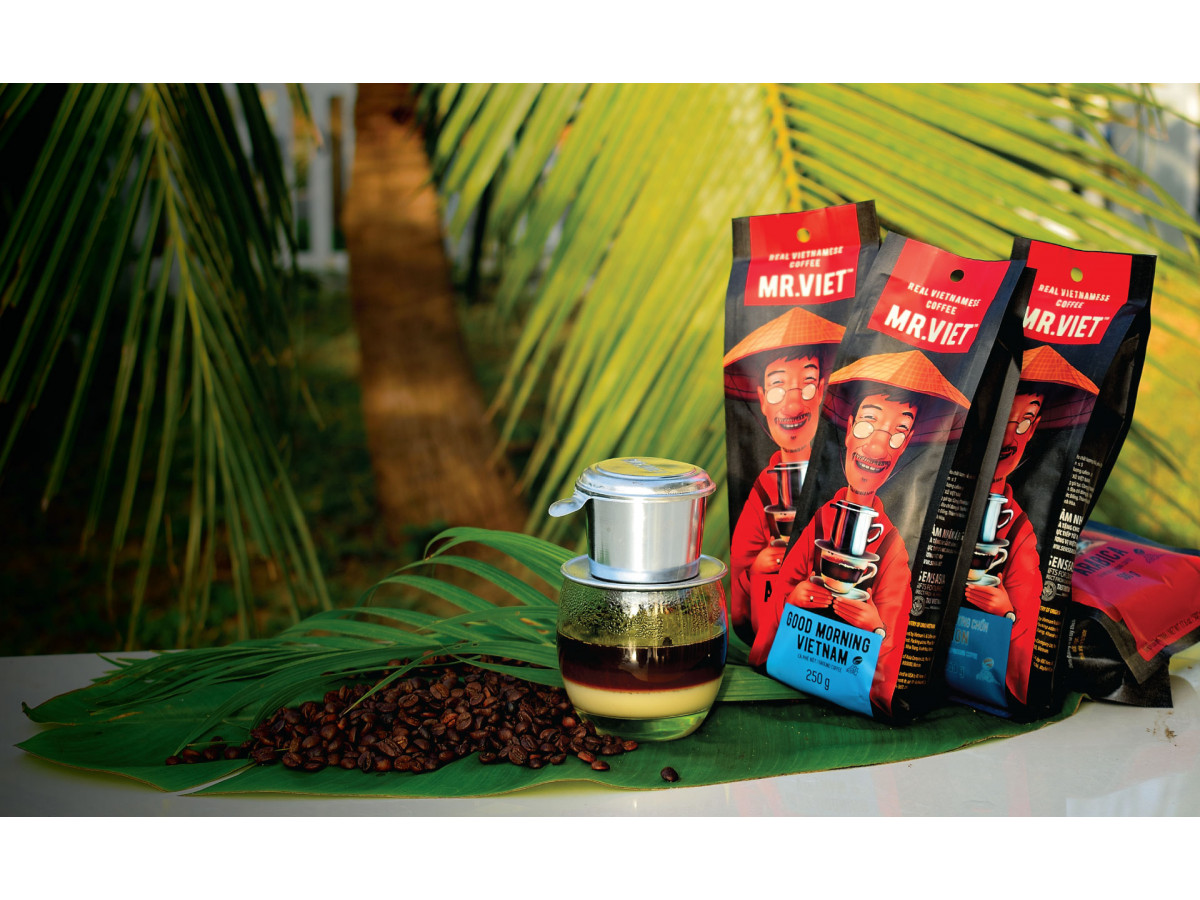
Vietnam receives significant income from the sale of agricultural products to dozens of countries. The republic is widely known as a producer of rice, spices, mangoes and cashews. But not everyone realizes that this Asian state has a developed coffee industry. In terms of the export of this crop, the country ranks second in the world after Brazil. This refers to the total sales, but the types of coffee are different.

Robusta and some Arabica

Coffee trees have been grown in Vietnam since the French colonization. Historians point to the exact date of their appearance in the country - 1857. By the 20s of the 20th century, French planters had made significant strides in the coffee industry, with large farms climbing higher and higher into the mountains.
Robusta is the main culture for the Vietnamese. Arabica is not so common: no more than 5% (according to some sources, up to 10%) of the total. To simplify the impression of tasting these varieties, Robusta is coffee with “bitterness” and a high content of caffeine, and Arabica is with “sourness” and aroma. There is sufficient demand for both. Vietnamese coffee is bought and processed by companies from 80 countries.
30 million sacks is not the maximum yield for local producers. Indicators are not stable, but on average 1 million tons are collected in the country annually. More than 90% of the products are exported abroad, but experts note that with the right storage conditions, this result could be even higher. However, Vietnam is already "number 1" in the world production of robusta. This type of coffee tree thrives well in humid climates on not very fertile soils and is less prone to disease.
Although the price of Robusta fluctuates, its cost is always lower than that of Arabica. During periods of rising prices for Arabica coffee companies and chain coffee shops are largely interested in buying cheap coffee, that is, Robusta. It is quite suitable for various blends with arabica, including for the production of instant drink.
Optimizing Vietnam's Coffee Industry
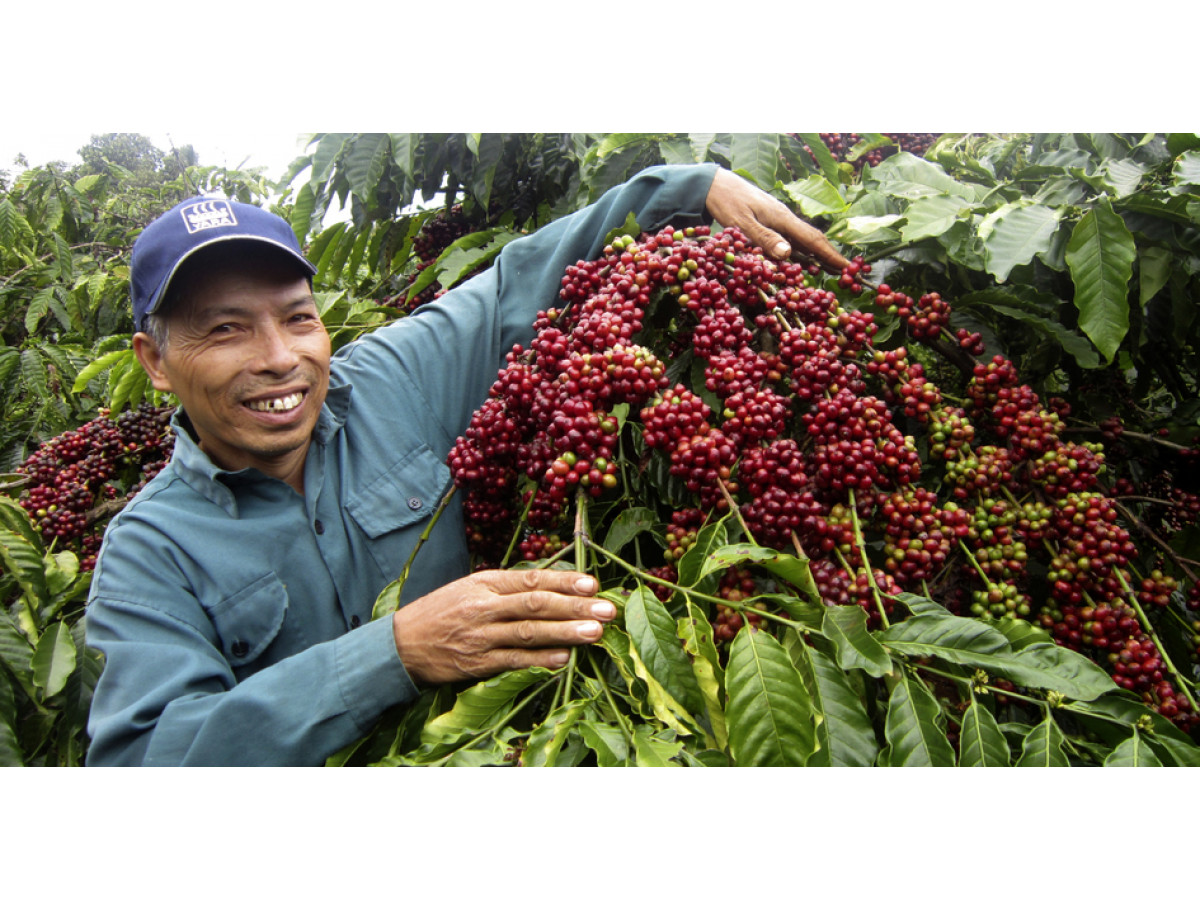
The growth of the industry began to be observed in the 70-80s of the last century. This was facilitated by a number of socio-economic changes: population migration, the development of entrepreneurship, as well as cooperation between the government and manufacturers to export products and strengthen the brand. However, Vietnamese farmers are highly dependent on world coffee prices. Their families are feeling the brunt of falling prices.
Weather conditions are not always favorable, and worse is the depletion of the soil or the use of bad land. In some regions, they faced serious problems: unskilled labor, lack of proper agricultural technology and the inability to pay off loans during the crisis years. Assessing the risks of the coffee industry is a serious subject for economists and sociologists to study. Thanks to government support in the 2000s, coffee farms have been preserved without plant diversification or population migration.
The Ministry of Agriculture has established a 2011-2020 program to develop the competitiveness of the Vietnamese coffee industry. The Coordinating Council for Coffee is a working group aimed at comprehensively solving urgent problems. Everything is interconnected: the unstable financial situation of peasants, product prices, the environmental situation and the need to rejuvenate plantings.
For the state, the cultivation and renovation of coffee plantations plays a significant role, determining:
- employment in rural areas;
- government revenues within the country;
- source of foreign currency;
- integration into the global market.
In 2019, coffee exports were estimated at 27.5 million bags of 60 kg each, that is, 1.65 million tons.
Recognition of the quality of coffee from Vietnam
While the government is making efforts to establish fair prices for a quality product, the debate continues. This is especially true for the identification of Vietnamese coffee.
Agriculture of coffee plantations and the financial situation of producers are one side of the coin. The second is the recognition of the quality of Vietnamese coffee in the world market. Many foreign companies sell it under their own brands: coffee is not a product that must contain information about the country of origin.
Importers do not have to indicate “made in Vietnam” on the bean packaging or can of instant coffee, although the product is grown here. And when several varieties are blended to improve flavor, it is almost impossible to accurately describe the drink. It may contain various varieties of Arabica and Robusta.
Famous brands

And yet there are brands that are ranked very highly. For example, Trung Nguyên (coffee beans, ground, instant). This brand is so popular that special excursion trips are organized in which you can learn a lot and buy coffee. On the packs of the "legendary" manufacturer, the content of Arabica and Robusta is indicated. It comes in many varieties, including 100% Arabica. There are other composition options:
- 80% to 20%;
- 60% to 40%;
- 50 to 50%;
- 10% to 90%

There are a dozen brands of Vietnamese coffee in demand, which consumers can buy through online commerce. For example, the brand "VINCOF": the company has coffee beans and ground, homogeneous in composition (100% Arabica or 100% Robusta). On sale there is arabica from Sense Asia Mr. Viet ", robusta -" Phuong Vy ". The G20 company has a more complex mixture: in one package Arabica, Robusta and Cooli (hybrid type).








-400x300.jpg "Coffee Industry: Cuba")