COFFEE
 TEA
TEA CAPPUCCINO AND HOT CHOCOLATE
 SWEETS
 SYRUPS
 TABLEWARE
 RELATED PRODUCTS
 GIFTS AND SOUVENIRS
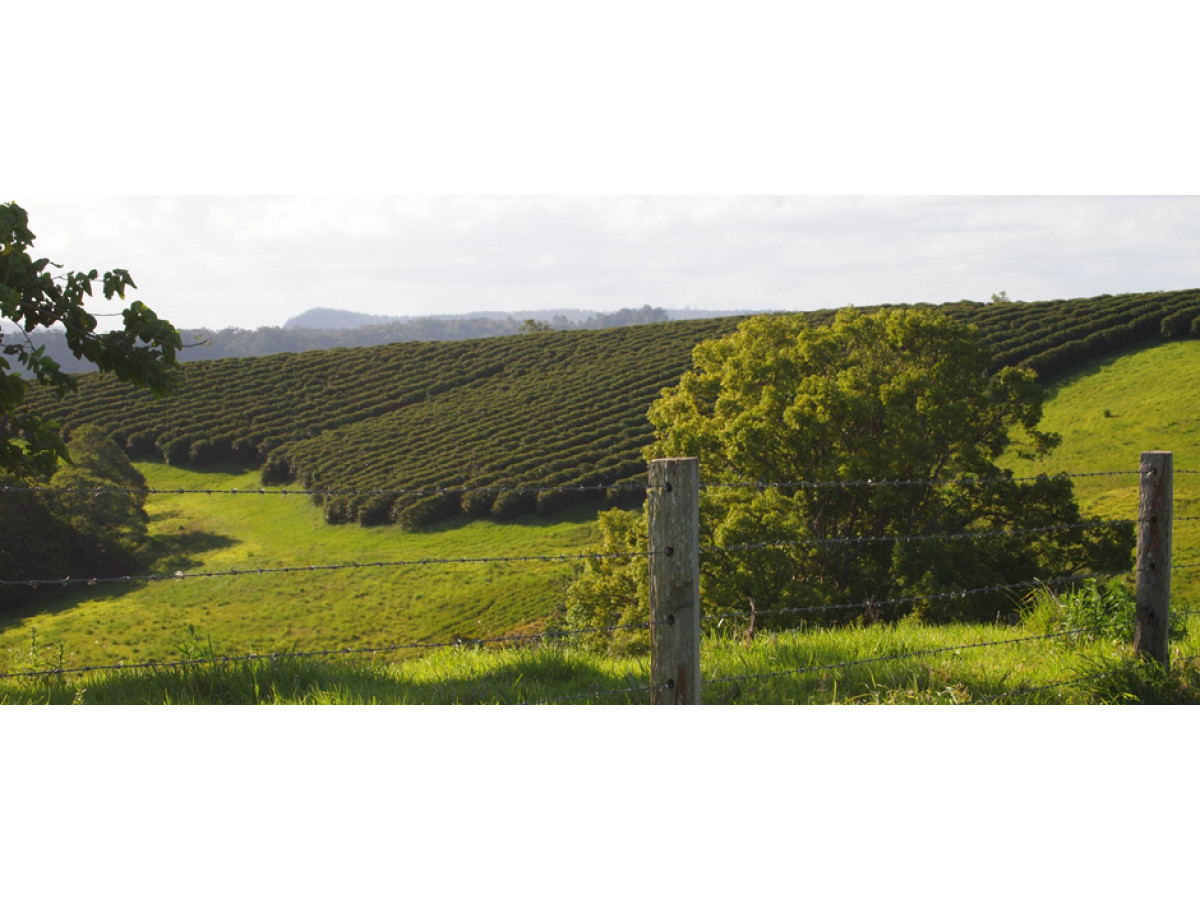
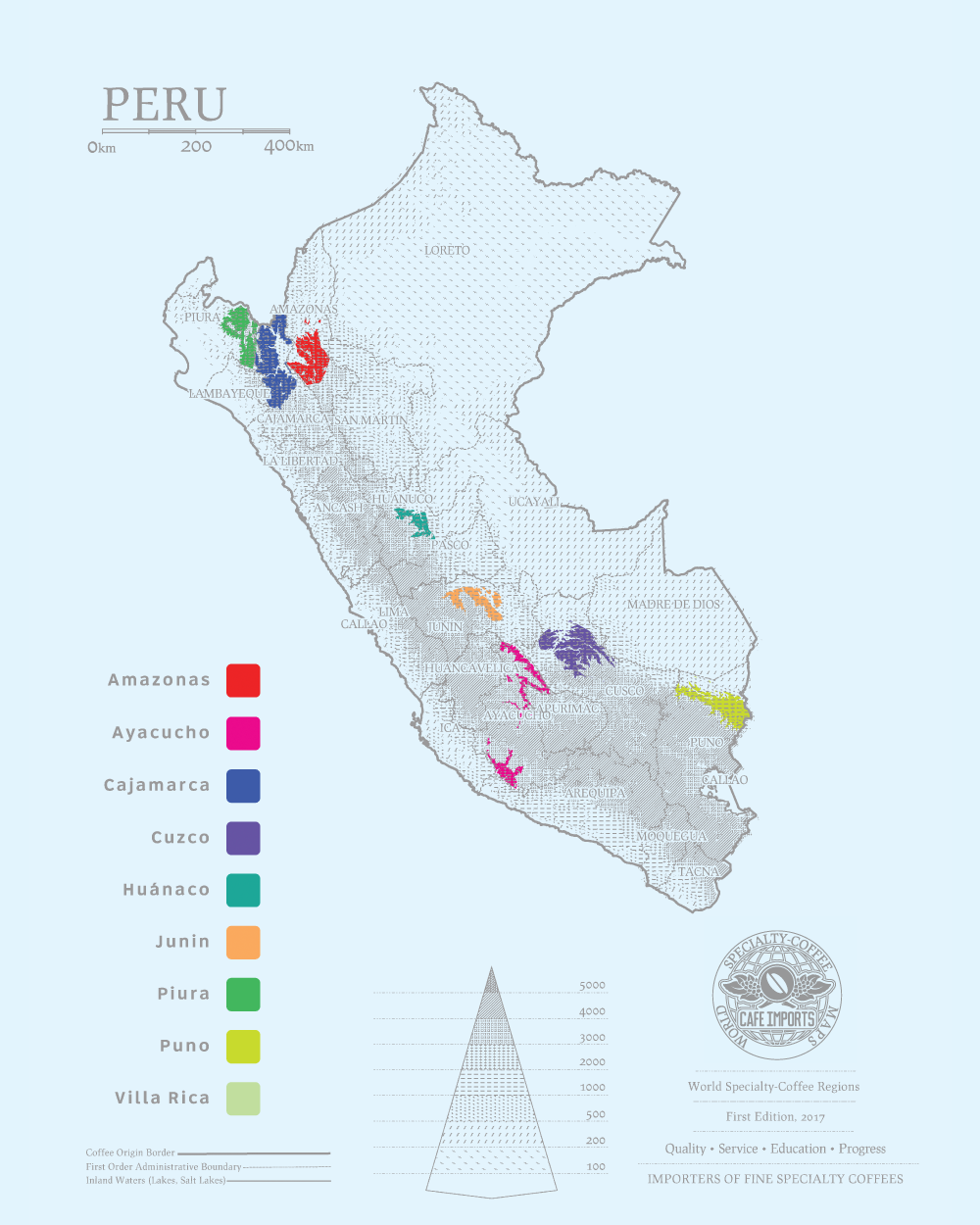
The Peruvians began cultivating coffee as early as the 18th century. By the end of the 19th century, coffee trees were being grown in an area close to the port of Pacasmayo, providing this product to the inhabitants of their own country. Over time, plantings appeared in the areas of Karabaya, Sandia (south of the country), Vilok, Chachamayu, Huanuco (center).
At the beginning of the 20th century, British manufacturers had a significant influence: the economic situation brought them to this South American country. Here they established technologically efficient processing of fruits and created the necessary trade links. Subsequently, the lands returned to the control of the Peruvian government, and the role of the state in the steady growth of the coffee industry increased.
Currently, Arabica exported from Peru is ranked fifth in the world. The twentieth century has brought about significant changes: coffee has become a significant export item thanks to the development of agricultural technology and infrastructure. The railway allows the delivery of coffee beans from distant plantations, including Perene, Paucartambo and Rio Colorado.
The most important facts
Arabica dominates in Peru. The main botanical species of coffee trees in this country are:
- Typica;
- Katurra
The rest of the varieties account for about a tenth of the plantings. Although in recent years, farmers have often been forced to replace traditional varieties with more disease-resistant species. The area of plantations today is about 400 thousand hectares. Compared to the end of the 19th century, production in the 21st century has increased many times, from 1,500 tons to 300 thousand tons. About 10 percent of the raw material produced remains for domestic consumption.
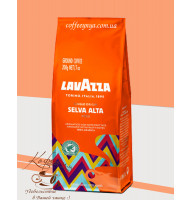
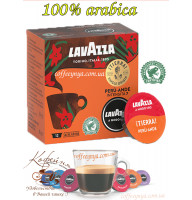
In the total export of agricultural products in Peru, coffee makes up 15%. The Peruvian product is of interest to such importers as the USA, Germany, Belgium and other countries of America and Europe. The main partner is the USA. In Italy, coffee grown in Peru is marketed under the Lavazza Peru brand.
Caring for quality
For the modern world market, it is of great importance not only to increase the volume of supplies, but also to pay attention to product quality. The task of the Peruvian Ministry of Agriculture was to introduce modern advances in the production of high quality coffee beans, as well as ground coffee. The government encourages farmers' and coffee processing associations to directly access specialized export markets. Of particular interest to importers is the fact that in Peru you can buy organic coffee that grows without chemicals and synthetic fertilizers. More than 90 thousand hectares are characterized as cultivated only in a natural way.
The taste of the drink made from beans grown high in the mountains is much brighter. For export, they send certified coffee grown at an altitude of more than 1000 m. Only a quarter of the plantations are located on the lower mountain slopes. The plantations are shaded. Wet processing plays an important role in achieving the desired condition. Crop is harvested by hand.
There are more than 200 thousand households in Peru - small farms, less than two hectares. Small producers need intermediaries who work with government agencies to export. Developing sustainable standards for variety assessment, labeling and fair pricing is essential.
Overcoming problems
The place of the country in the world ranking of coffee powers is affected by the deficit that appears due to plant diseases, as well as climatic difficulties - drought, floods, earthquakes and hurricanes. The planned export volume may be cut by almost half.
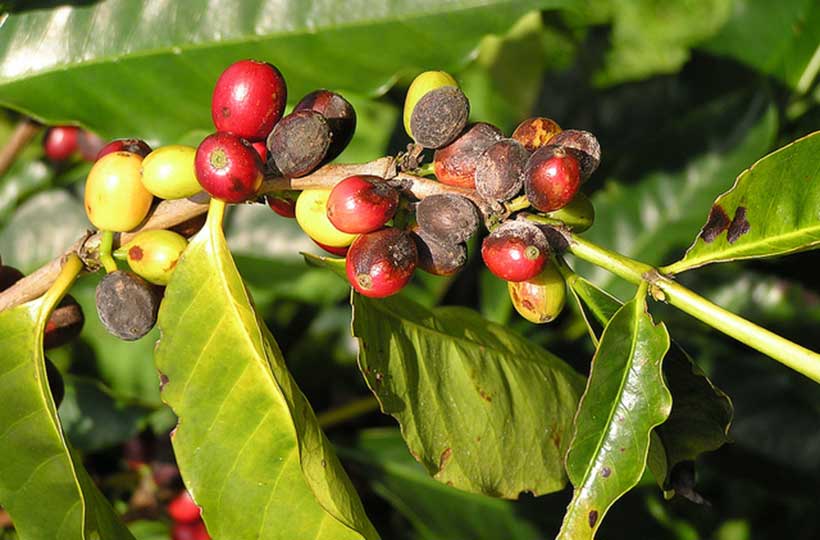
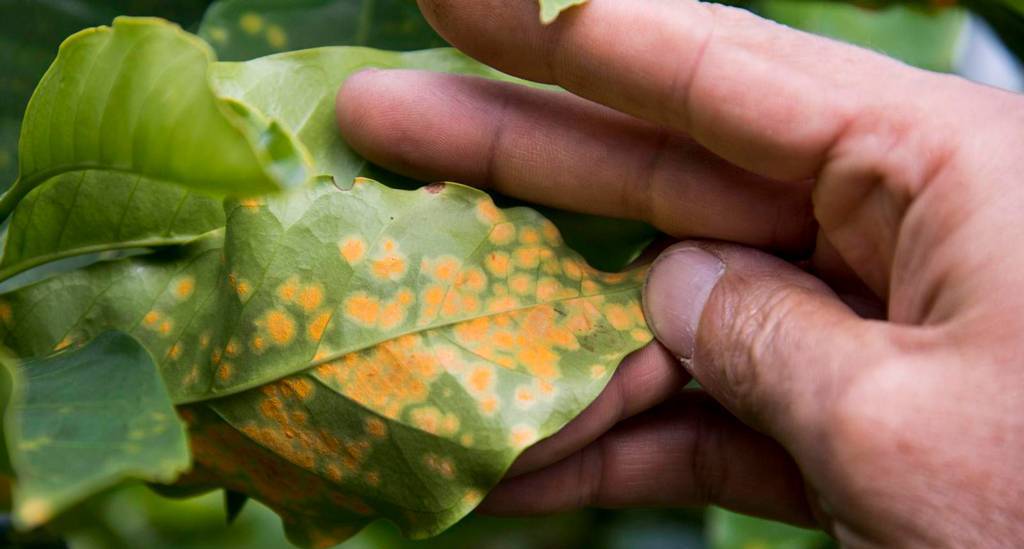
Unfortunately, there are also problems with coffee trees in this country: this is the so-called “rust”, which affected almost half of the plantings in 2014. The decline in production in the northern regions arises from the difficulties of processing: the humid microclimate interferes with the drying of the grains, causing the development of rot and fungus. The Ministry of Agriculture is in a position to help farmer associations with renewal of plantations, acquisition of more sustainable varieties, cultivation of new areas, purchase of drying equipment, etc.
Training farmers in new technologies and various kinds of know-how is far from a trifle. When peasants operate in isolation, without joining associations and cooperatives, it is difficult for them to get a decent price for their product, develop their plantation technically competently, and obtain the necessary funding. The problems lie not only in the production of low-quality raw materials, but also in the fact that there are unscrupulous agents aiming at buying up grains at lower prices.
Much remains to be done to develop infrastructure and logistics in this area in Peru. The demand for coffee leads to the construction of new transport networks, improvement and construction of roads.
Rate coffee yourself
Peru, according to experts, is catching up with Brazil and Colombia in the production of coffee with an excellent reputation. The drink, obtained from local grains, is aromatic, soft and sour. There is a difference in the taste of the cup in different regions. The grains are often used in blends.
Nowadays, it has become much easier to get acquainted with the best productsdifferent countries. There is an excellent opportunity to independently taste a drink made from beans grown in South America, to compare it with an African or Asian product: it is enough to buy coffee at the coffeeynya.ua and brew it correctly. An excellent option is Lavazza Peru: Peruvian coffee, processed in Italy.