COFFEE
 TEA
TEA CAPPUCCINO AND HOT CHOCOLATE
 SWEETS
 SYRUPS
 TABLEWARE
 RELATED PRODUCTS
 GIFTS AND SOUVENIRS
Cambodia is far from being in the forefront in terms of the scale of coffee bean production: it produces about 390 tons of this agricultural product a year. For comparison: Brazil receives more than 3 million tons, Vietnam (Cambodia's eastern neighbor) - 1 million 700 thousand tons. In total, about 75 countries are included in the list of countries of interest from the point of view of the coffee industry. Cambodia has a place in the world ranking of producers of all types of coffee at number 60. Why is Cambodian coffee mentioned so rarely? Why is it interesting for exporters and coffee lovers?
Supply and demand

Experts note that the demand for Cambodian coffee is growing, despite a very modest supply by the standards of other countries. Customers love the original taste of local coffee, its shades and richness. Mentioned are chocolate, nutty and coconut notes in a drink made from locally roasted beans. Many people note that in Cambodia you can feel the magnificent aroma of tonic robusta and slightly bitter Arabica (for coffee lovers without sourness).
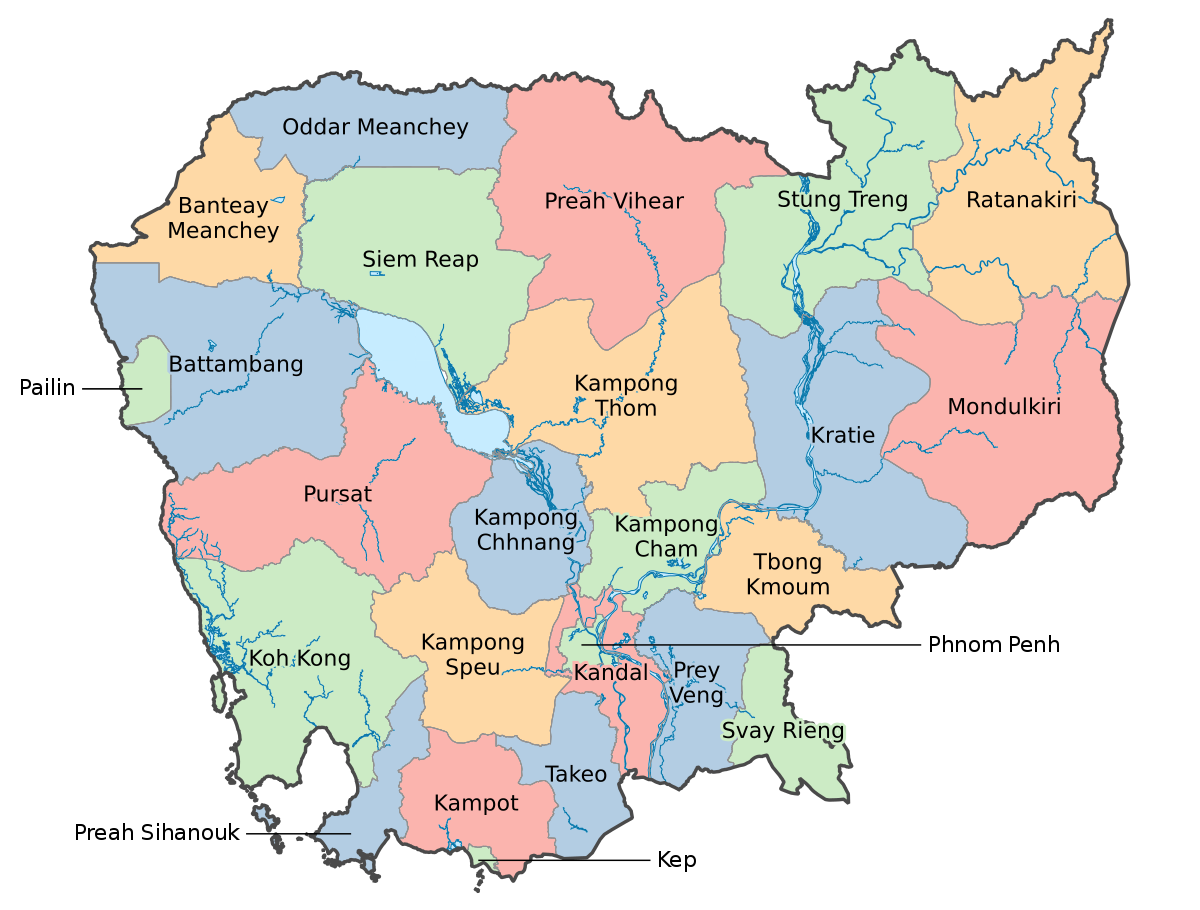
The conditions for the cultivation of Arabica and Robusta in the region make it possible to obtain high-quality varieties for supply not only to the domestic market, but also for export. The province of Mondolkiri (in the southeast of the country) is known for the significant development of this sector of agriculture. Thanks to domestic demand and the development of tourism, local farmers were able to increase their coffee plantings by 50% in 2018 alone. About 300 hectares are set aside for coffee plantations in this area. Although throughout the country, coffee is harvested on an area of no more than 500 hectares. In the provinces of Pailin, Stungtraeng, Ratanakiri there are farmers engaged in this crop.
Foreign tourists and exporters are attracted by the fact that it is possible to buy coffee grown using traditional technologies in the country. The fact is that no chemicals were used for organic coffee: only natural ingredients. Healthy eating is the ideology that allows Cambodian producers to get a decent price for their efforts.
What hinders the development of the industry
Today Cambodia imports coffee from Laos and Vietnam for domestic consumption. 5 thousand tons come from these countries to meet the needs of Cambodians for an invigorating drink. Let us recall that the country produces on its own on average only about 300 tons of coffee beans.
Experts note that the development of the industry could have been achieved if the infrastructure had not pumped up. Indeed, in regions suitable for growing coffee, the roads are in poor condition. There are other problems as well. A quality product must be grown to a range of standards that old or diseased trees fall short of. You cannot pick fruits of different ripeness at the same time and supply products with a large number of damaged grains and husks. Fortunately, there are brands in Cambodia that do not have such disadvantages.
Professionals are concerned with how to harness the country's potential to increase yields. There are plans to expand the area of plantations in the province of Mondolkiri to 1000 hectares. It is noted that there are young plantings from which ripe coffee berries will be obtained in the coming years. The most optimistic forecast for the next decade: an increase in the area for coffee to 10,000 hectares throughout the country with a yield of up to 3 tons per hectare.
Who started cultivating coffee in Cambodia
The beginning was laid by the French colonialists. Cambodia in this sense is very similar to other colonial states. New agricultural crops emerged thanks to wealthy planters developing their land in overseas countries for commercial gain. In the 18th century, fertile and well-irrigated lands up to 1000 meters above sea level began to be used for planting coffee trees. For robusta, lower hills are preferable, for arabica, heights are more significant. Both main varieties are grown in Cambodia, but mostly Robusta.
Coffee berries are processed both dry and wet. The first method is drying the fruit and further separating the grains from the shell. The second method is the separation of the peel and pulp with water (mechanized process), and only then drying.
In the history of coffee cultivation in Cambodia, the beginning of the 2000s turned out to be the most unfavorable. This is attributed to the global fall in coffee beans prices. Over the next two decades, demand on the domestic market began to grow, and the price became acceptable for manufacturers. There is an interest in natural coffee at a price corresponding to such a product.
The whole world in a coffee cup
The coffee world is interesting for its diversity. International standards that exist for high-quality Arabica and Robusta do not negate the uniqueness of the drink brewed from the grains of a particular country. Good coffee is akin to a work of art, its originality is associated with a rich national tradition, knowledge and skills. If you come across Cambodian coffee, be sure to try it. Coffee lovers celebrate the specialties of the Cambodian recipebeverage preparation tours: filtration rules, addition of condensed milk and ice.
Do not miss any chance to expand your understanding of grains from different countries. "Coffeeynya" coffeeynya.ua gives an opportunity to get acquainted with many interesting varieties. It is worth buying high quality coffee or tea both for personal tasting and for a gift - useful and pleasant.










-400x300.jpg "Coffee Industry: Cuba")